
Managing a safe, reliable, and energy-efficient household requires a solid understanding of how your home's fueling infrastructure operates behind the scenes. Millions of homeowners count on clean-burning gas fuel to keep their indoor spaces cozy throughout freezing winter blizzards, heat their daily shower water, cook family meals, and power outdoor patio grills. Because this fueling setup works quietly in the background, it is exceptionally easy to take your storage equipment for granted until a delivery driver arrives for a scheduled top-off. When a refueling technician finishes pumping fuel into your yard container, you might notice on your receipt or fuel gauge that the tank was never filled all the way to the 100 percent mark. This is not a delivery mistake or a short change tactic; rather, it is a critical, mandatory engineering practice designed specifically to keep your property safe. Leaving an intentional empty zone inside your propane tank is the single most important rule of gas storage.
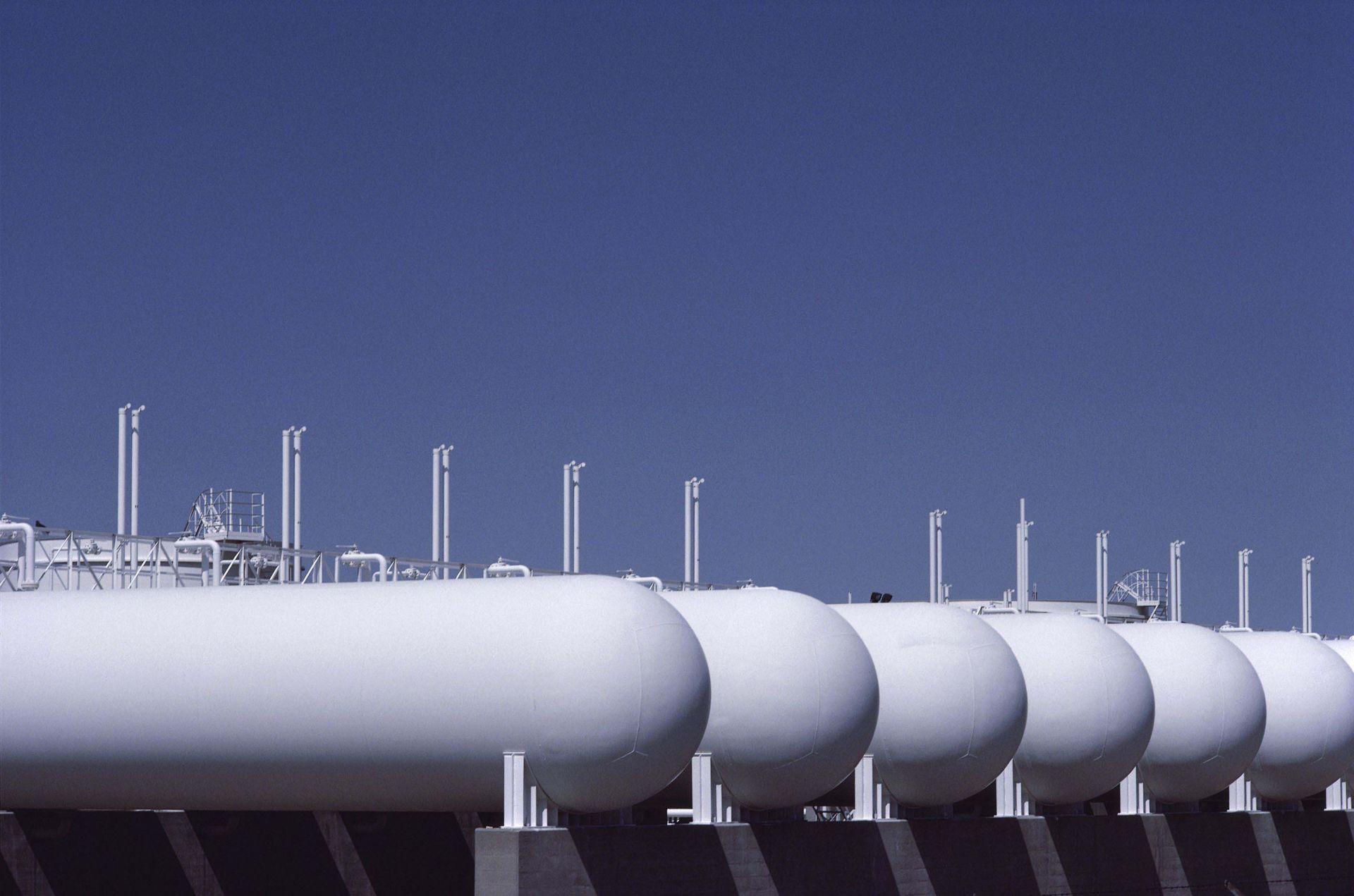
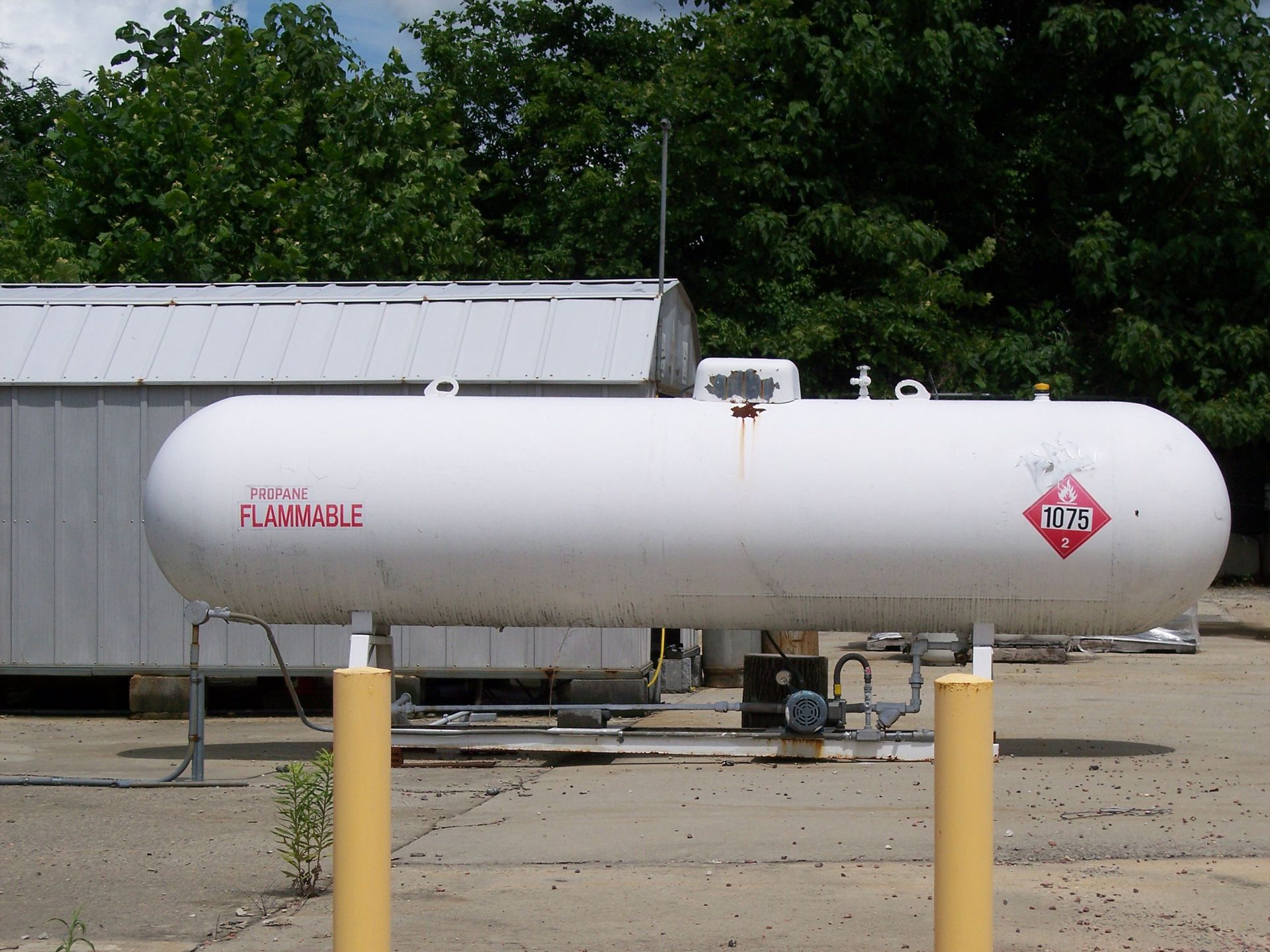
Prioritizing proper fuel capacity metrics over an arbitrary 100 percent maximum is a vital safety choice that actively protects your property, your family, and your structural equipment from high-pressure hazards. Liquid gas fuel behaves under strict laws of physics and thermal expansion that require empty breathing room to prevent structural stress. Attempting to force an amateur, overfilled shortcut on your fuel system can easily result in activated safety relief valves, line leaks, and dangerous pressure spikes. To understand exactly how much fuel your storage equipment can safely hold, you must evaluate the official dimensions and capacity metrics of your system. According to GasTec, a 500-gallon tank holds approximately 400 gallons of propane at its standard 80% fill capacity and measures 5 feet tall and 10 feet long. Partnering with a licensed fuel delivery firm ensures that your propane tank is continuously monitored and refueled within these exact safety boundaries. Leaving the technical math to certified energy professionals takes the physical stress off your personal schedule and ensures your home energy grid remains completely secure through every season of the year.
Liquid Propane Expands Rapidly When Exposed to Rising Heat
The primary reason why a certified delivery technician will never fill your storage container past the 80 percent mark comes down to how liquid gas reacts to changing outdoor temperatures. Unlike water, which expands when it freezes into ice, liquid gas expands rapidly and significantly when it absorbs environmental heat. The liquid fuel sitting inside your propane tank requires a designated empty cushion of air space at the top of the container to expand into safely as the weather warms up.
If a delivery driver accidentally filled your propane tank to the 100 percent mark on a cool morning, the liquid would have absolutely nowhere to go when the afternoon sun hits the steel shell. The expanding liquid would press directly against the inside walls of the container, creating an immense, dangerous amount of physical force. Adhering strictly to the 80 percent fill rule provides your propane tank with a flawless volumetric safety buffer, allowing the liquid to expand and contract naturally without placing any mechanical strain on the steel body.
High-Pressure Safety Relief Valves Will Open and Bleed Raw Gas
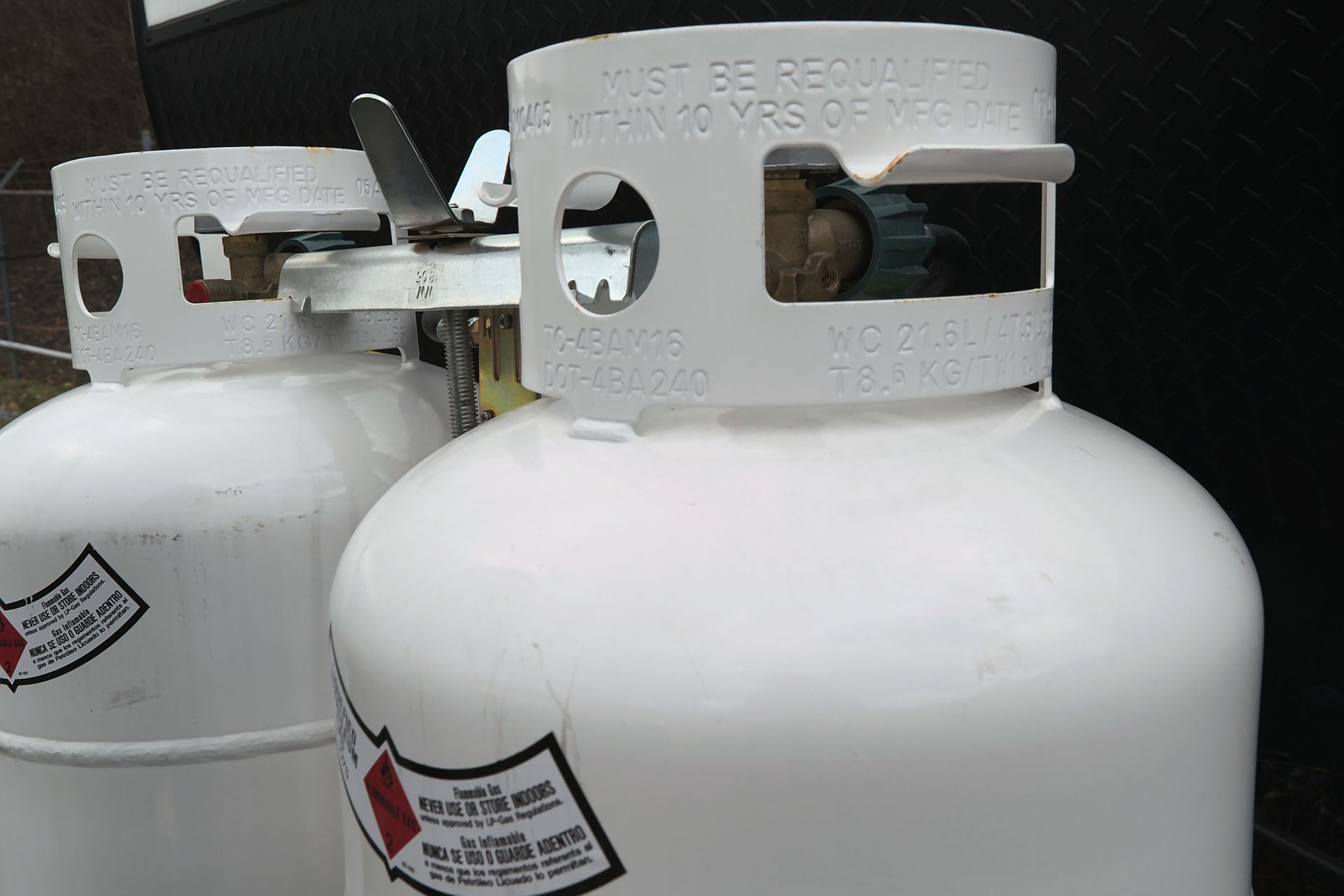
Every single residential and commercial storage container is engineered with a built-in safety mechanical feature known as a pressure relief valve. This spring-loaded safety valve sits under a protective cap at the top of the frame, designed to open automatically if the internal pressure climbs past a safe operating threshold. If an amateur overfills a propane tank, the expanding liquid will eventually trip this safety valve, causing it to pop open and vent raw gas vapor directly into your yard.
While this valve opening successfully prevents the steel shell from rupturing, it introduces a major safety hazard by releasing highly flammable gas fumes into your living environment. Furthermore, bleeding out expensive fuel into the air is a massive waste of your hard-earned financial capital. Keeping your propane tank filled strictly within its legal limits ensures that the internal pressure stays in a perfectly safe zone, preventing your relief valves from triggering and keeping your yard completely secure.
Home Appliances Require Open Vapor Space to Burn Fuel Safely
Beyond the critical structural safety benefits, maintaining a proper fill limit is essential for the daily mechanical performance of your home appliances. Your indoor furnace, kitchen stove, and water heater are engineered to burn gas vapor, not raw liquid fuel. Inside a properly filled propane tank, the liquid fuel boils at a very low temperature, naturally converting into a clean gas vapor that collects in the empty top 20 percent of the container.
If your propane tank is overfilled and lacks this essential vapor head space, raw liquid fuel can accidentally pour straight into your home supply lines. This dangerous mechanical event, known as liquid slugging, can freeze your regulator valves, clog your appliance burners, and cause large, uncontrolled flare-ups in your kitchen or utility room. Ensuring your propane tank retains its necessary vapor space allows your fuel system to deliver a smooth, perfectly regulated flow of clean gas vapor to your appliances, keeping your household running flawlessly.
Summer Heatwaves Cause Dangerous Internal Pressure Spikes Without a Buffer
Outdoor environmental temperatures play a direct, non-stop role in fluctuating the internal pressure gauges of your fuel framework each day. During intense summer heatwaves, the sun's ultraviolet rays beat down directly on the steel exterior of your propane tank, causing the internal liquid temperature to spike rapidly. To combat this intense solar heating, professional installation teams always paint storage containers in highly reflective white or light silver colors to bounce the heat away.
However, even with reflective paint, a summer heatwave will cause the liquid fuel level inside your propane tank to rise automatically on the gauge, even if you haven't added any new fuel. If your container was filled correctly to the 80 percent mark, this minor summer expansion is completely harmless because the tank has plenty of open space to handle the shift.
Sustaining a safe, reliable, and perfectly balanced home fueling system over the long term requires a steady combination of proper volumetric knowledge, high-quality steel equipment, and professional delivery metrics. Your home storage container serves as the vital energy anchor for your entire household infrastructure, meaning that attempting to ignore fill regulations or pushing for unverified capacity limits will only lead to dangerous pressure venting and expensive appliance breakdowns down the road. Stepping away from amateur guesswork and trusting your fuel logistics to a premier neighborhood supplier is the absolute best way to insulate your household budget from unexpected mechanical repairs and safety liabilities.
When you take the time to respect the 80 percent safety limit and prioritize routine professional checkups for your fuel system, you unlock higher daily appliance efficiency, eliminate the risk of valve leaks, and gain total confidence in your family's physical safety. Ongoing professional care ensures your lines work at peak performance, dramatically boosting your home's overall security and market value over time. If you notice your fuel gauge creeping too close to the maximum mark, hear strange whistling sounds near your valves, or simply want to set up an automated, worry-free delivery plan, do not wait for a complete pressure crisis to happen. Visit Basin Propane online today to explore your
propane tank service options, clear out old hardware, and schedule a professional system consultation for your home.

Share On: