In an age where more homeowners and businesses are turning to propane for their energy needs, it’s crucial to recognize when professional propane services are necessary. From efficiency to safety, understanding these signs can save time, money, and stress. This article delves into the key indicators that you might need to consult with propane service providers and why early action can make a measurable difference in long-term performance. Being proactive rather than reactive allows property owners to stay ahead of unexpected breakdowns and maintain steady comfort throughout every season.
1. Inefficient Heating Performance
A primary sign that you need propane services is inefficient heating performance. When your heating system becomes sluggish, it often results in reduced energy efficiency. This means your system is working harder to achieve the same level of warmth, causing wear and tear, and potentially leading to higher maintenance costs. As strain increases over time, energy bills typically rise because more fuel is required to maintain comfort levels. Addressing inefficiencies early can help prolong equipment life and restore consistent heating throughout your property.
Increasing expenses are a clear indicator of performance issues. Many homeowners and businesses experience a noticeable spike in utility costs when their systems are not operating properly. This financial strain suggests that more fuel is being consumed than necessary, which is both wasteful and environmentally concerning. According to the National Propane Gas Association, U.S. propane consumption reached 1.48 million barrels per day in January 2025 – the highest level of domestic consumption for any month since February 2007, and the highest level for any January since 2005. A professional inspection can identify whether clogged burners, faulty regulators, or ventilation issues are driving these rising costs.
Other indicators include frequent short cycling, where the heater turns on and off rapidly. This behavior signals difficulty maintaining target temperatures and places additional stress on internal components. Delayed heating response and uneven room temperatures are also warning signs. Consulting experts for propane services ensures these mechanical inefficiencies are properly diagnosed and corrected before they escalate into larger repairs. In many cases, small adjustments or component replacements can significantly improve overall system output and reliability.
2. Leaky or Damaged Equipment
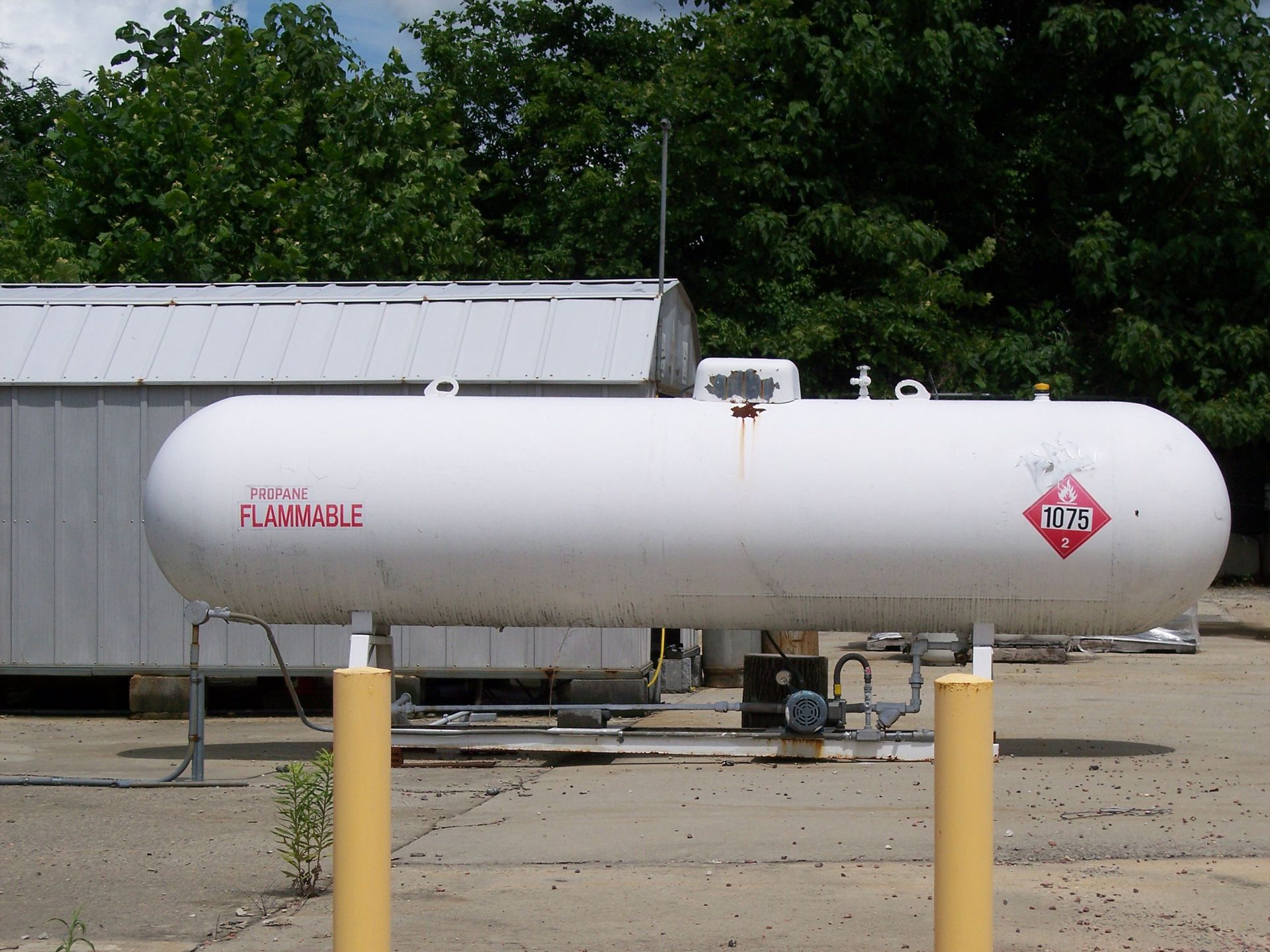
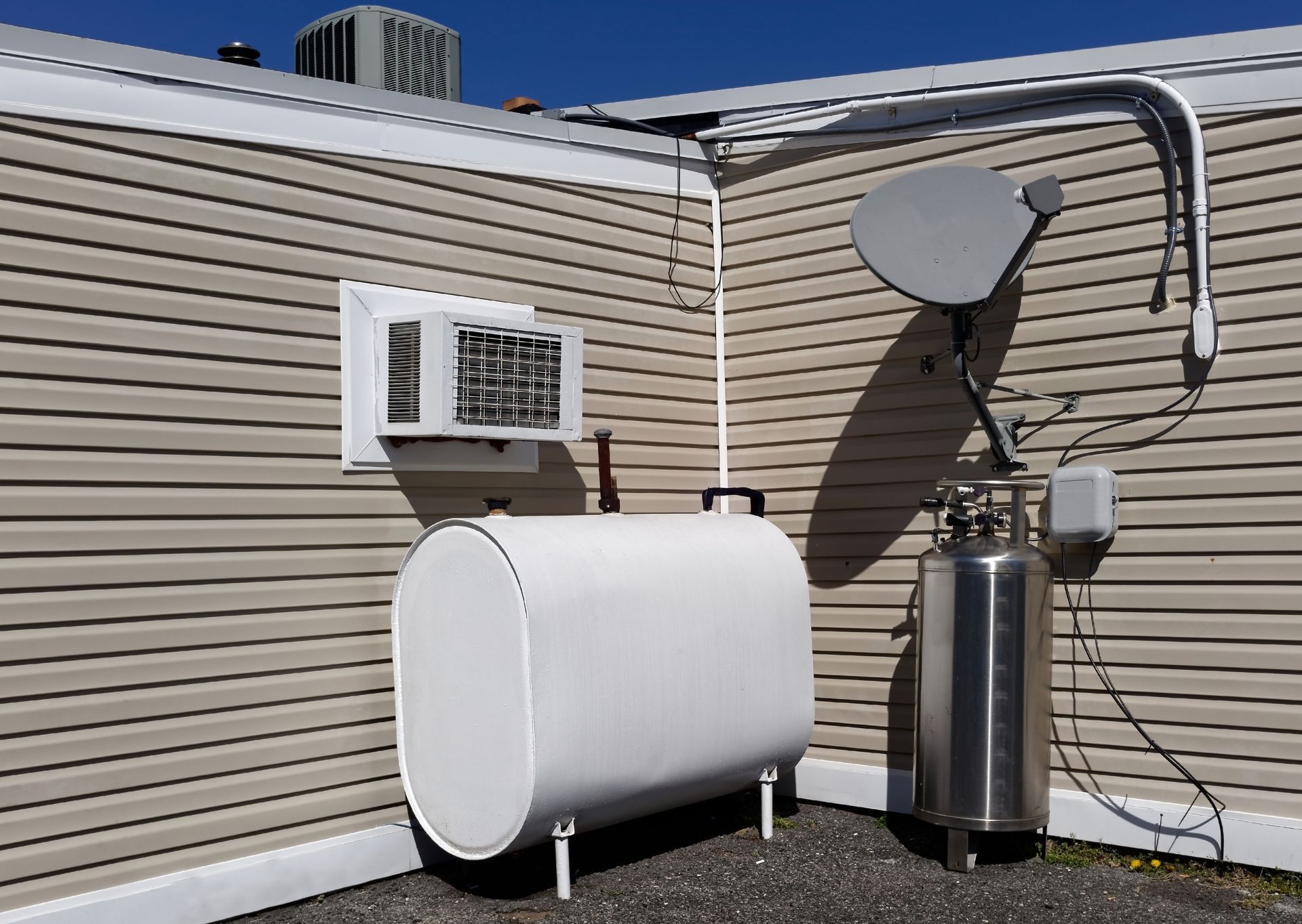
Another major warning sign involves visible damage or suspected leaks. If you notice corrosion, rust, dents, or compromised fittings, immediate attention is required. Rust on a tank may appear cosmetic at first, but it can gradually weaken structural integrity and increase the risk of hazardous leaks. Having professionals evaluate and repair these issues helps maintain system reliability and safety.
Unusual smells near equipment should never be ignored. Propane is odorized with a rotten-egg scent specifically to alert users to leaks. If you detect this smell, discontinue use and contact a qualified technician immediately. Frost patches, unexplained stains near tanks, or hissing sounds may also signal escaping gas. Prompt action through professional propane services can prevent dangerous situations and minimize property damage.
Cracked hoses, worn connectors, and dented tanks are additional hazards. Over time, environmental exposure causes rubber components to deteriorate and metal surfaces to weaken. Routine inspections identify these vulnerabilities early. With propane usage continuing to grow nationwide, maintaining secure and damage-free equipment is essential for both residential and commercial users. Replacing aging components before they fail entirely is always more cost-effective than dealing with emergency repairs.
3. Alarm Systems and Monitor Activation
Modern propane systems rely on alarms and monitoring devices to detect irregularities. If gas leak alarms activate frequently, even intermittently, this may indicate sensor malfunction or a genuine leak. Either scenario requires immediate professional evaluation. Ignoring repeated warnings can compromise safety and reduce trust in your detection systems.
Carbon monoxide detector issues also demand urgent attention. Because carbon monoxide is invisible and odorless, properly functioning detectors are critical. False alarms, chirping devices, or detectors that fail to activate during testing should be inspected without delay. Reliable monitoring equipment works hand in hand with propane services to create a safer operating environment.
Ignition system warnings and irregular gauge readings can further signal internal component failure. Faulty igniters may lead to inconsistent startup performance, while inaccurate gauges can cause confusion about fuel levels. Skilled technicians can recalibrate sensors, replace failing parts, and confirm accurate readings to maintain system reliability. Addressing these alerts promptly reduces downtime and reinforces system safety.
4. Overdue Maintenance and Inspections
Routine inspections are fundamental to safe propane operation. If your system has not been evaluated within the recommended timeframe, problems may be developing unnoticed. Industry best practices encourage regular servicing to detect minor issues before they become expensive breakdowns. Scheduling professional propane services helps preserve efficiency and extend equipment lifespan.
Missed maintenance appointments can void warranties and increase the likelihood of unexpected failures. Many providers offer structured service schedules tailored to specific appliances and tank systems. Keeping up with these intervals supports consistent performance and predictable operating costs. Expired safety certifications are another indication that your system needs professional review.
Accurate maintenance logs are equally important. Without documentation of past inspections and repairs, recurring issues may be misdiagnosed or overlooked. Maintaining organized records ensures technicians can make informed decisions and apply targeted solutions. Proactive upkeep dramatically reduces the risk of emergency service calls and extends the working life of your entire propane setup.
5. Poor Combustion and Efficiency Indicators
Combustion quality plays a critical role in performance. Visible soot, smoke, or residue around burners indicates incomplete fuel burning. These symptoms reduce efficiency and increase emissions. A combustion analysis performed during propane services can identify air-to-fuel imbalances and restore proper operation.
Flame color offers another visual clue. Healthy propane flames should burn blue. Yellow or orange flames suggest incomplete combustion, potentially caused by blocked burners or improper ventilation. Addressing these issues quickly improves fuel utilization and reduces strain on system components.
Unusual noises during operation, such as popping or rumbling, may indicate obstructions or mechanical malfunctions. Inefficient combustion wastes fuel and increases wear. Improving combustion efficiency supports both cost savings and responsible energy use. Consistent servicing ensures burners, vents, and regulators remain clean and properly calibrated.
6. General Safety Concerns
Safety should always be the top priority when operating propane systems. Outdated safety devices or missing emergency shutoff features present serious hazards. Certified technicians providing propane services can recommend and install updated safeguards that align with current regulations and standards.
Insufficient user training is another overlooked concern. Everyone who interacts with propane equipment should understand proper operation procedures and emergency response protocols. Professional consultations often include guidance on safe handling practices, leak recognition, and emergency preparedness.
Non-compliance with local safety codes can expose property owners to penalties and liability risks. Professionals remain informed about regulatory updates and can verify that your installation meets required guidelines. Clearly posted emergency contact information and accessible shutoff controls further strengthen preparedness and reduce response time during unexpected events.
From rising energy bills and combustion irregularities to equipment damage and safety device failures, these warning signs should never be dismissed. Proactive maintenance and professional inspections provide peace of mind while protecting both property and occupants. By addressing small issues early, you avoid costly disruptions and ensure your propane system continues to operate reliably for years to come. Staying attentive to these indicators ultimately supports consistent comfort, lower expenses, and long-term operational stability. If you’ve noticed any of these warning signs or simply want to schedule a professional inspection, contact Basin Propane today. Our experienced team is ready to provide dependable service, thorough evaluations, and reliable propane solutions you can trust. Call now to keep your system operating safely and efficiently year-round.

Share On: