
In a world increasingly looking towards sustainable energy solutions, propane emerges as a versatile, reliable option, especially in off-grid situations. Living off the grid demands energy sources that are both efficient and accessible, without the complexities of modern infrastructure. Propane fits this role perfectly, providing heat, power, and energy to remote locations. It remains one of the most utilized resources for those who need to retain independence from conventional power grids. With approximately 11 million US households relying on propane as a major fuel source, according to the United States' Energy Information Administration, its impact and importance cannot be overstated.
The Basics of Propane as an Energy Source
What is Propane?
Propane is a hydrocarbon gas, part of the liquefied petroleum gas (LPG) family. Chemically, it is a saturated hydrocarbon with the formula C3H8, known for its clean-burning properties. Propane is valued in energy sectors due to its stable, high energy yield and low emissions. Its combustibility makes it an ideal candidate for heating and energy applications, especially where safety and efficiency are priorities.
Propane Production and Supply Chain
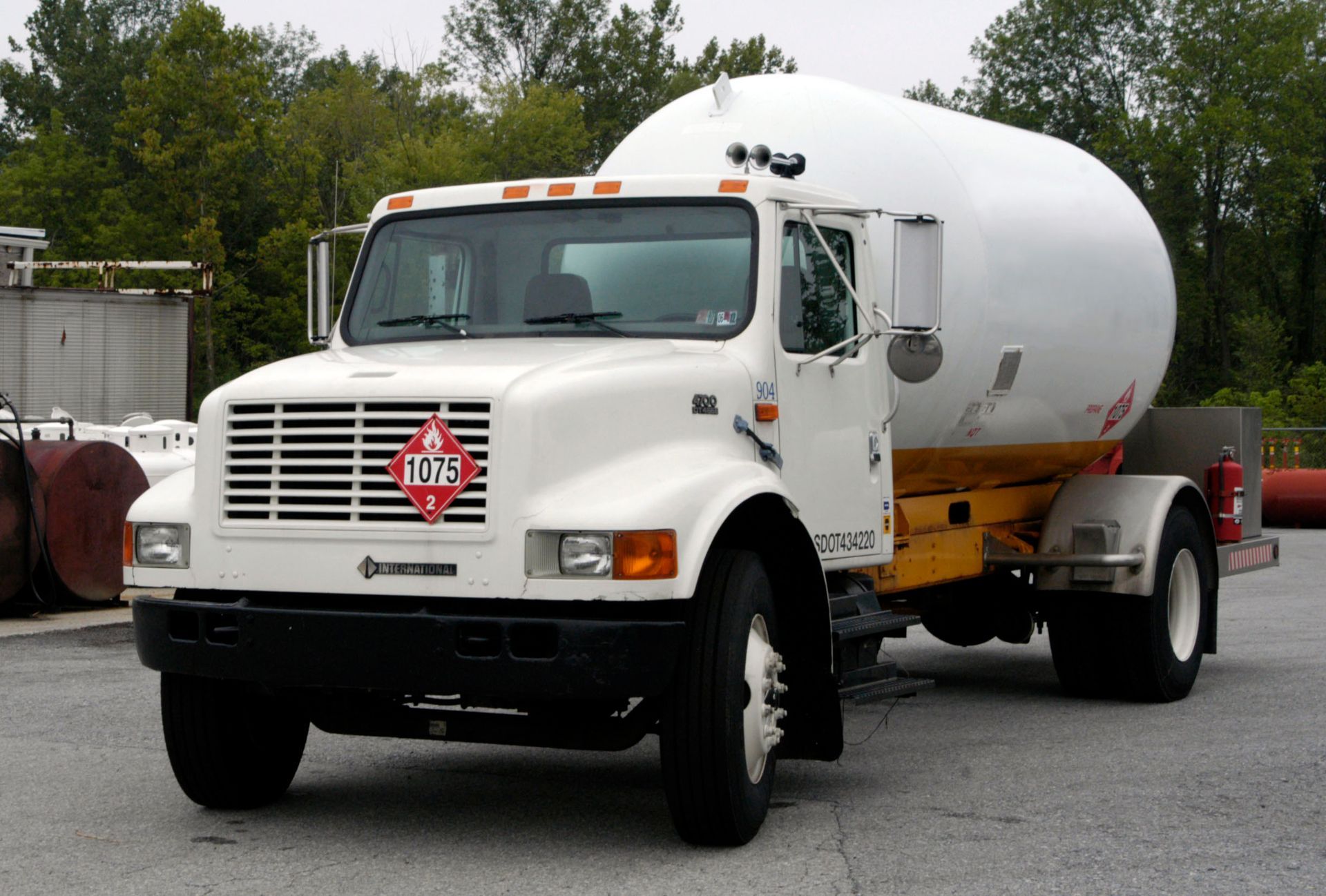
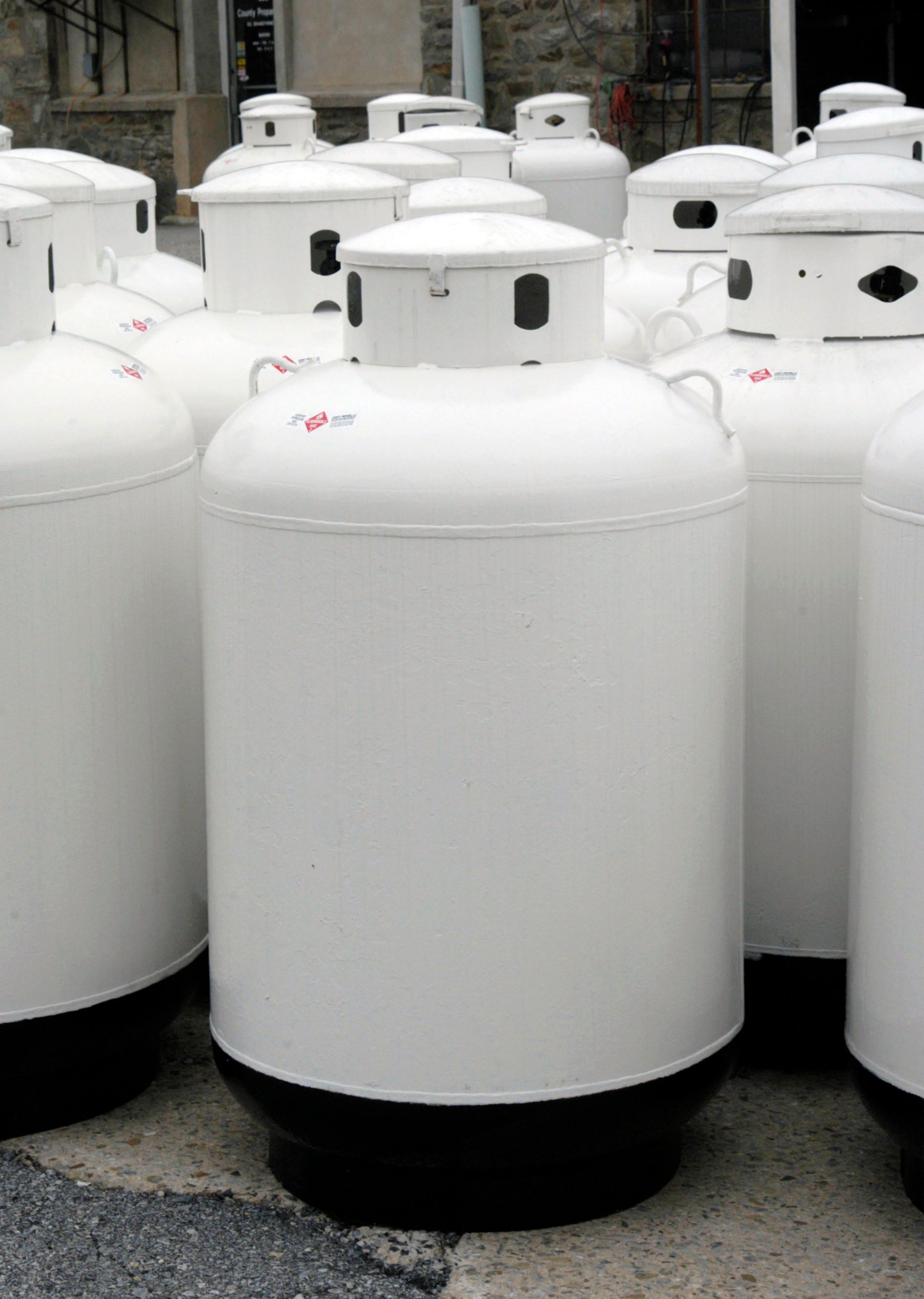
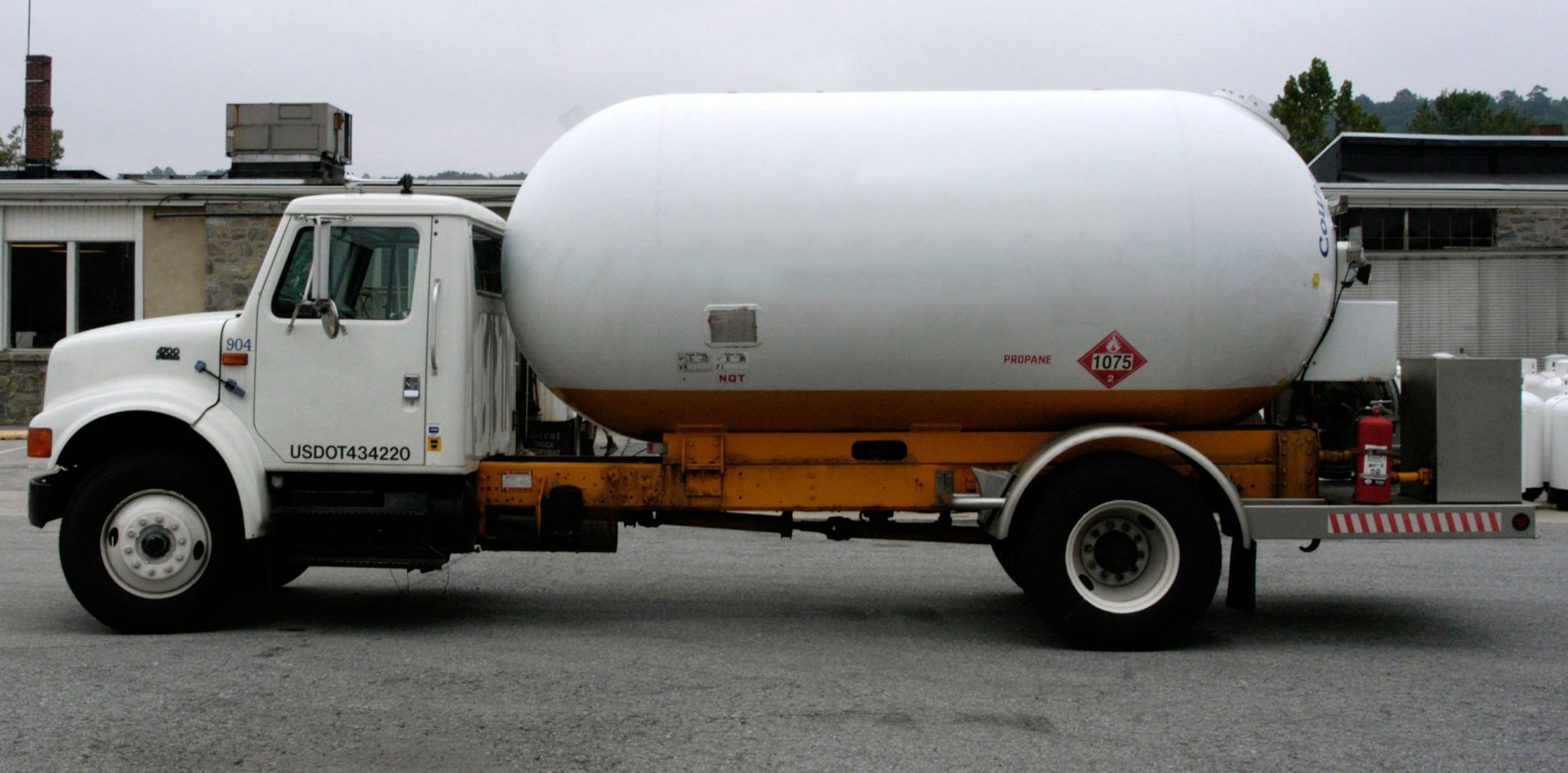
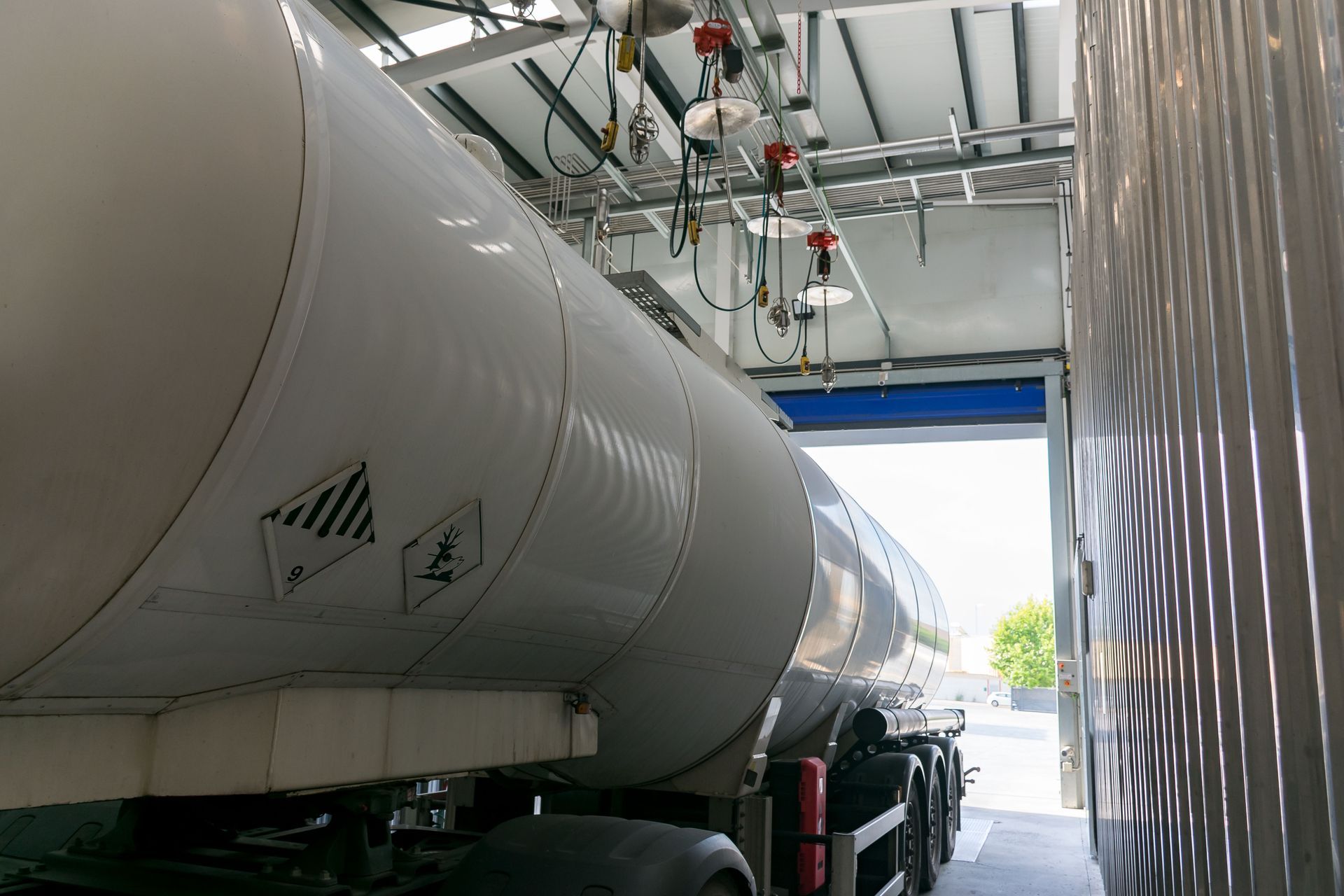
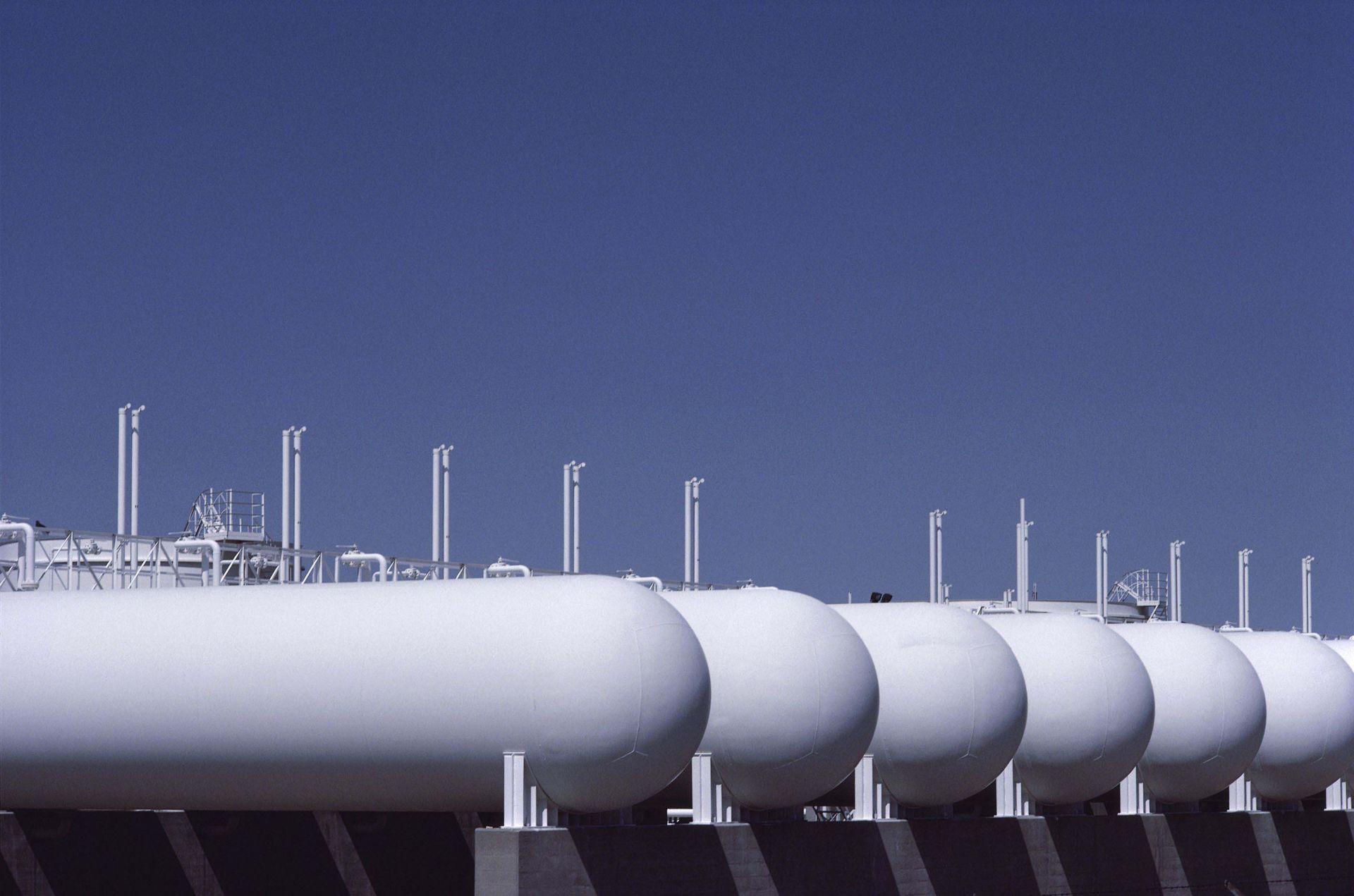
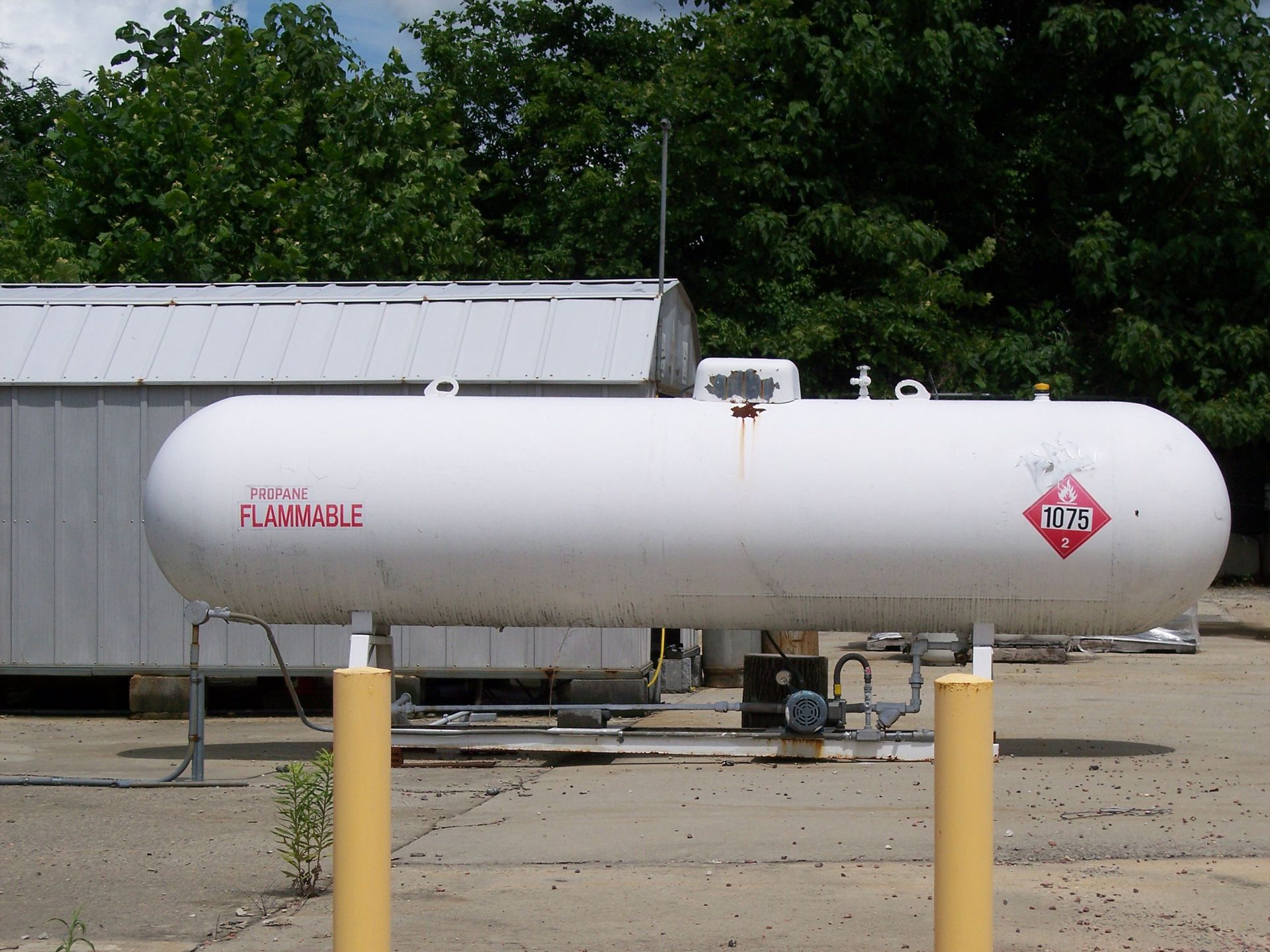
Propane is primarily produced as a byproduct of natural gas processing and crude oil refining. Once extracted, it's compressed into a transportable liquid and sent through a wide-ranging supply chain network. Major distributors ensure that propane reaches both urban and remote consumers reliably. Storage of propane is convenient due to its ability to liquefy under pressure, making it suitable for transportation in tanks of various sizes. The well-established logistics behind propane guarantee that it remains available even in the most secluded areas.
Why Propane is Ideal for Off-Grid Living
When it comes to off-grid living, propane stands out for its portability and dependability. It can be easily transported to remote areas where traditional energy infrastructures don't reach. Unlike renewable sources that depend on environmental conditions, propane provides consistent and controllable energy. Additionally, propane appliances are generally designed to be highly efficient, maximizing energy output.
Environmental Impact of Propane
Propane is often touted for its environmental friendliness compared to other fossil fuels. It burns cleanly, producing primarily carbon dioxide and water vapor, resulting in a reduced carbon footprint. Although still a fossil fuel, its emissions are significantly less harmful than those of other hydrocarbons like gasoline or coal. The Environmental Protection Agency (EPA) recognizes propane as a clean alternative fuel, adding credibility to its ecological benefits. However, like any fuel, it must be managed carefully to minimize environmental impact through leaks or improper disposal.
Propane-Powered Appliances for Home Use
Heating Systems
Propane heating systems are highly regarded for their efficiency and reliability, especially in off-grid homes. They come in various forms, from traditional furnaces to radiant heat panels. Unlike electric heaters, propane systems continue to provide warmth regardless of power outages. The efficiency of these systems is enhanced by modern technology, ensuring optimal energy consumption. Moreover, because propane burns hotter than natural gas, it warms spaces more effectively and quickly.
Cooking Appliances
Cooking appliances powered by propane, such as stoves and ovens, are staples in remote settings. They offer immediate and consistent heat, making cooking more efficient and predictable. Many chefs prefer propane for its ability to precisely control heat levels, a necessity in culinary arts. In off-grid situations, propane stoves are advantageous as they eliminate the need for electricity, ensuring that meals can be prepared even during power outages. Moreover, these appliances are often built robustly to withstand fluctuating conditions typical of remote living.
Refrigeration Solutions
Refrigeration can be a significant challenge in off-grid living, where electricity is limited. Propane-powered refrigerators present a viable solution, providing necessary food preservation without an electric connection. These units function efficiently, often using less energy than their electric counterparts. The absence of electric trappings reduces the risk of mechanical failures, a critical consideration in ensuring reliable operation in secluded environments. Additionally, propane refrigerators add versatility to off-grid home setups, expanding living capacity without compromising convenience.
Water Heaters
Water heating is another area where propane demonstrates its utility. Propane water heaters deliver hot water on demand and are typically more energy-efficient than electric models. Their rapid heating capability is a distinct advantage, providing comfort without excessive wait times. In off-grid homes, these heaters ensure that essential hygiene and comfort levels are maintained without relying solely on solar or other intermittent energy sources. The dependability of propane water heaters further underscores propane's role as a cornerstone of energy self-sufficiency.
Backup Power Generators
Power outages, though less frequent in urban zones, pose significant challenges for off-grid homes. Propane generators offer a robust backup solution, providing needed power during interruptions. These generators are valued for their quick start times and relatively quiet operation compared to diesel models. They ensure that essential services, like lighting and refrigeration, remain operational, preserving the safety and comfort of those affected by grid issues. The convenience of propane tanks alongside generators makes setup and refueling straightforward, a significant advantage in emergencies.
Safety Considerations When Using Propane
Proper Storage and Handling
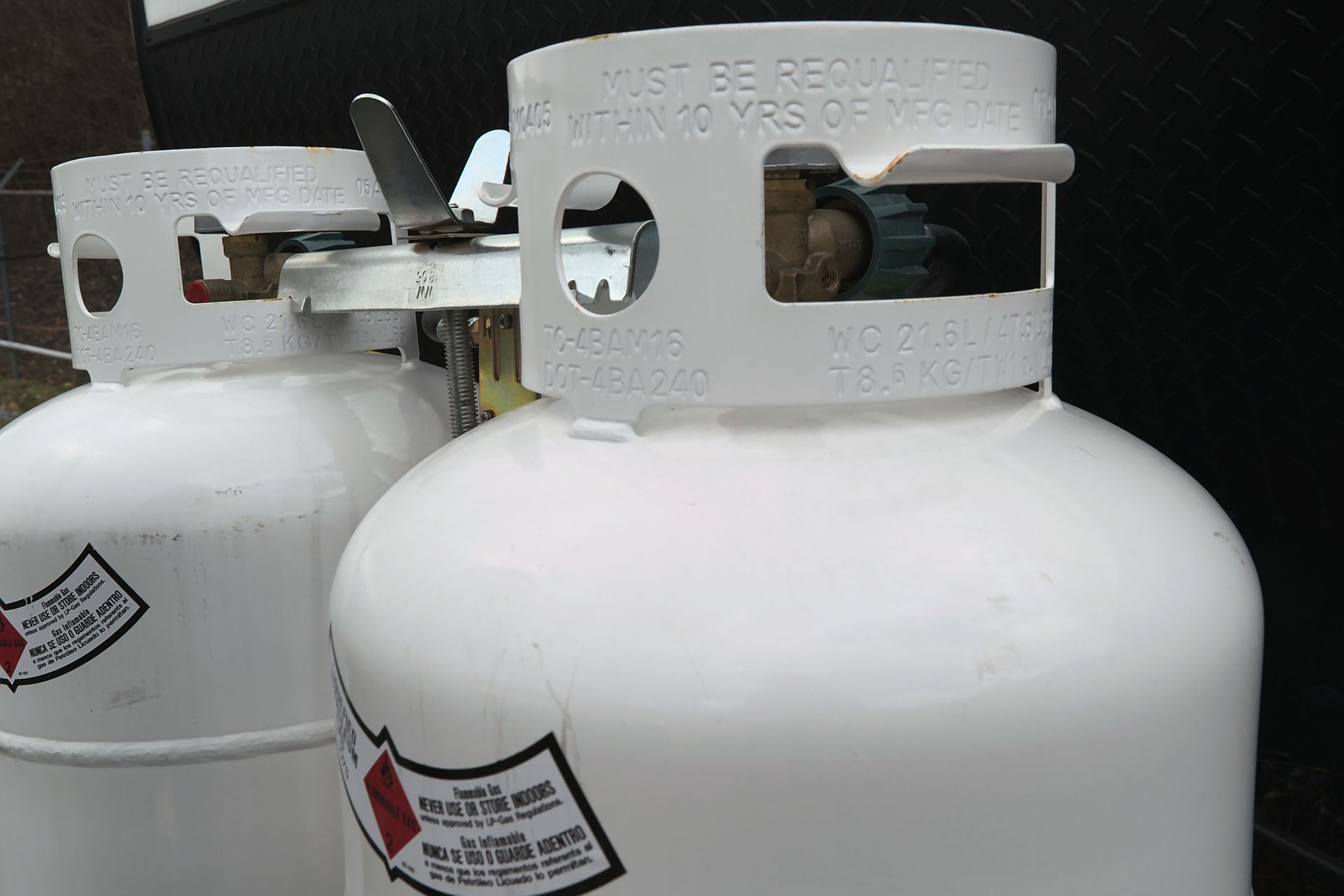
Safety is a paramount concern when dealing with propane due to its flammable nature. Proper storage and handling mitigate risks, ensuring propane remains a safe energy source. Tanks should be stored in well-ventilated areas away from heat and ignition sources, adhering to rigorous safety standards. Routine inspections and maintenance of storage systems are crucial to prevent accidents. By promoting a culture of safety, the risks associated with propane can be effectively managed.
Preventive Maintenance
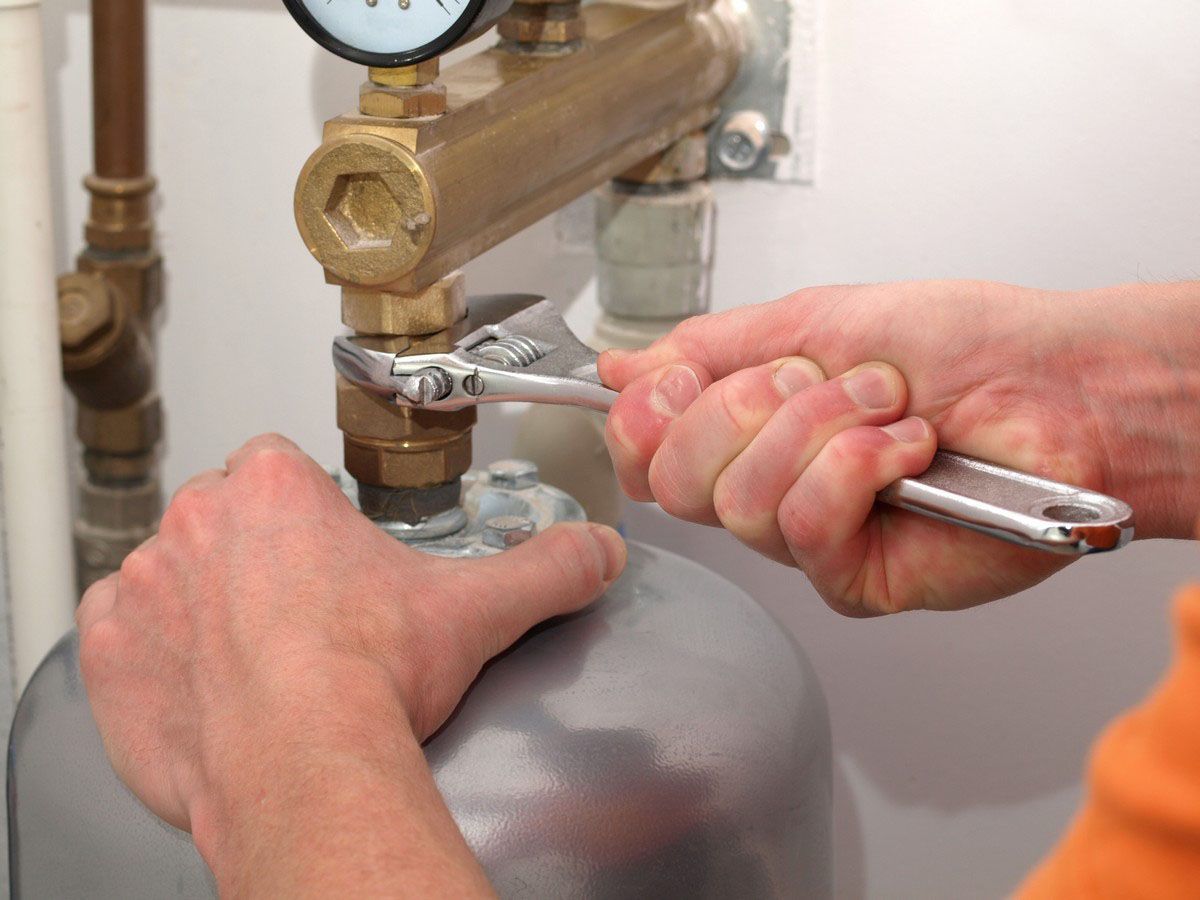
Regular preventive maintenance is essential to ensure the safe operation of propane systems. This involves periodic checks of appliances, storage tanks, and distribution lines to detect and address potential issues early. Maintenance guidelines provided by manufacturers outline necessary procedures to keep systems running effectively. Engaging trained professionals for these tasks is advisable to ensure compliance with safety standards. This proactive approach reduces the likelihood of accidents, fostering sustained and secure use of propane.
Propane Leak Detection
Accurate leak detection is critical to ensure the safety of propane in homes and businesses. Effective leakage warning systems protect users from the risks of accidental propane release. Installation of detectors, along with periodic checks, aids in identifying leaks early, preventing potential threats. Users are advised to familiarize themselves with these systems and response protocols. Safety drills and educational programs further empower users to manage any potential incidents effectively.
Emergency Preparedness
Preparing for emergency scenarios ensures prompt and safe responses to propane-related incidents. Develop comprehensive emergency plans including evacuation routes and response strategies to mitigate potential impacts. Conduct regular safety drills to familiarize individuals with processes and build confidence in emergency protocols. Communication systems play a key role in ensuring everyone is aware of their roles and responsibilities during crises. Empower users with skills and knowledge through ongoing safety programs and initiatives.
Regulatory Compliance
Adherence to regulatory standards is non-negotiable for safe propane usage. Local and national laws provide guidelines governing the storage, handling, and use of propane. Regular inspections and certification by authorized bodies ensure compliance with existing regulations. Users and vendors must stay informed of regulatory changes to maintain adherence and ensure safety. Monitoring and enforcement mechanisms further reinforce compliance, safeguarding users and communities.
Propane's integral role in supporting off-grid lifestyles is a testament to its versatility, reliability, and efficiency. Through diverse applications, it enhances quality of life, empowers communities, and drives sustainable practices. With ongoing advancements, propane continues to evolve, promising broader benefits and more innovative solutions in the future energy landscape. It stands as a reliable partner for those seeking or requiring energy independence. As we navigate an ever-changing world,
propane from Basin Propane LLC remains a reliable ally in off-grid living and beyond. Give us a call today!

Share On: