Explore the essentials of a propane service, comparing the benefits of tank delivery and exchange to help you make an informed decision for your energy needs.
Understanding Propane Tank Delivery
Convenience and Flexibility
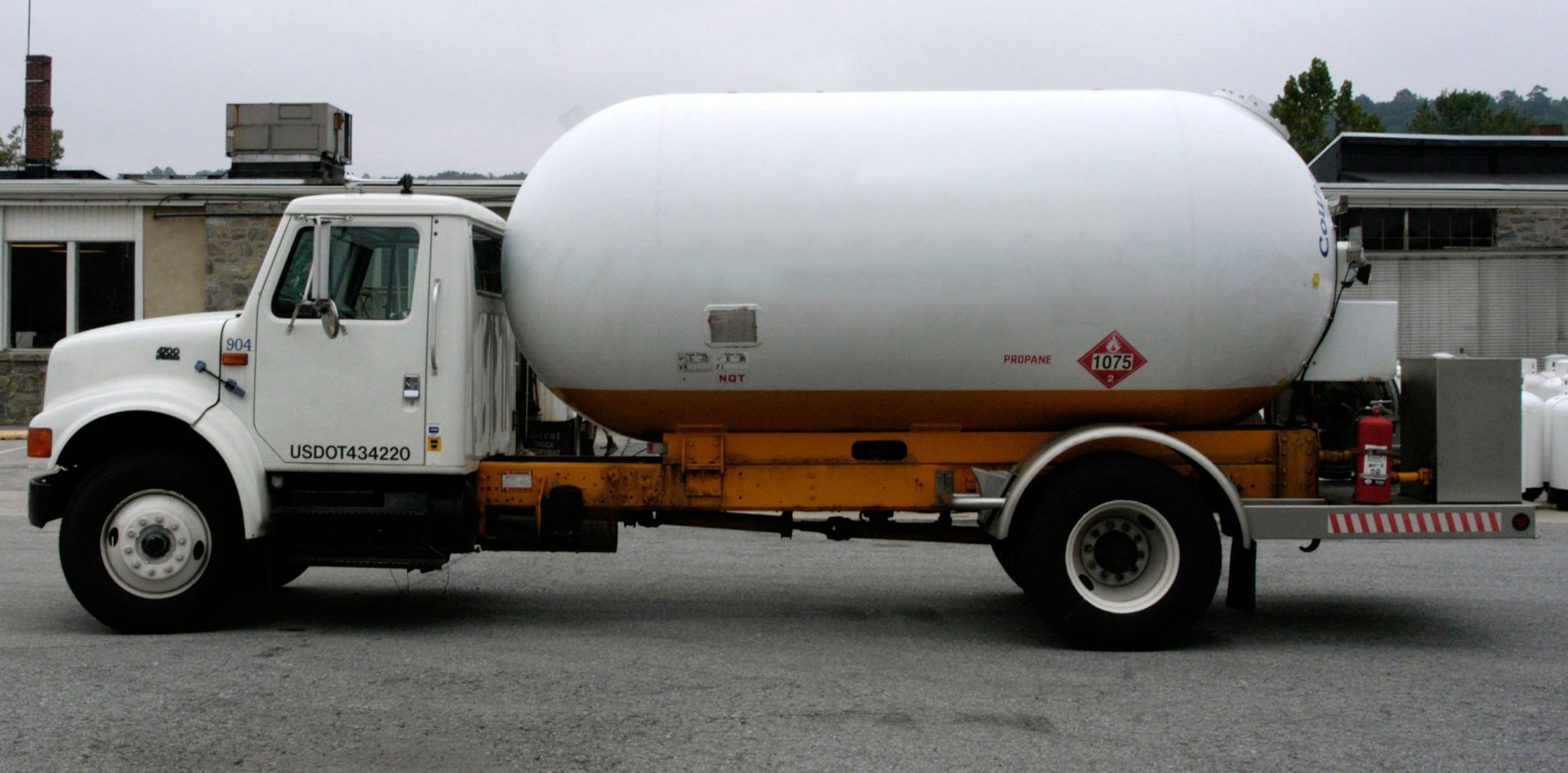
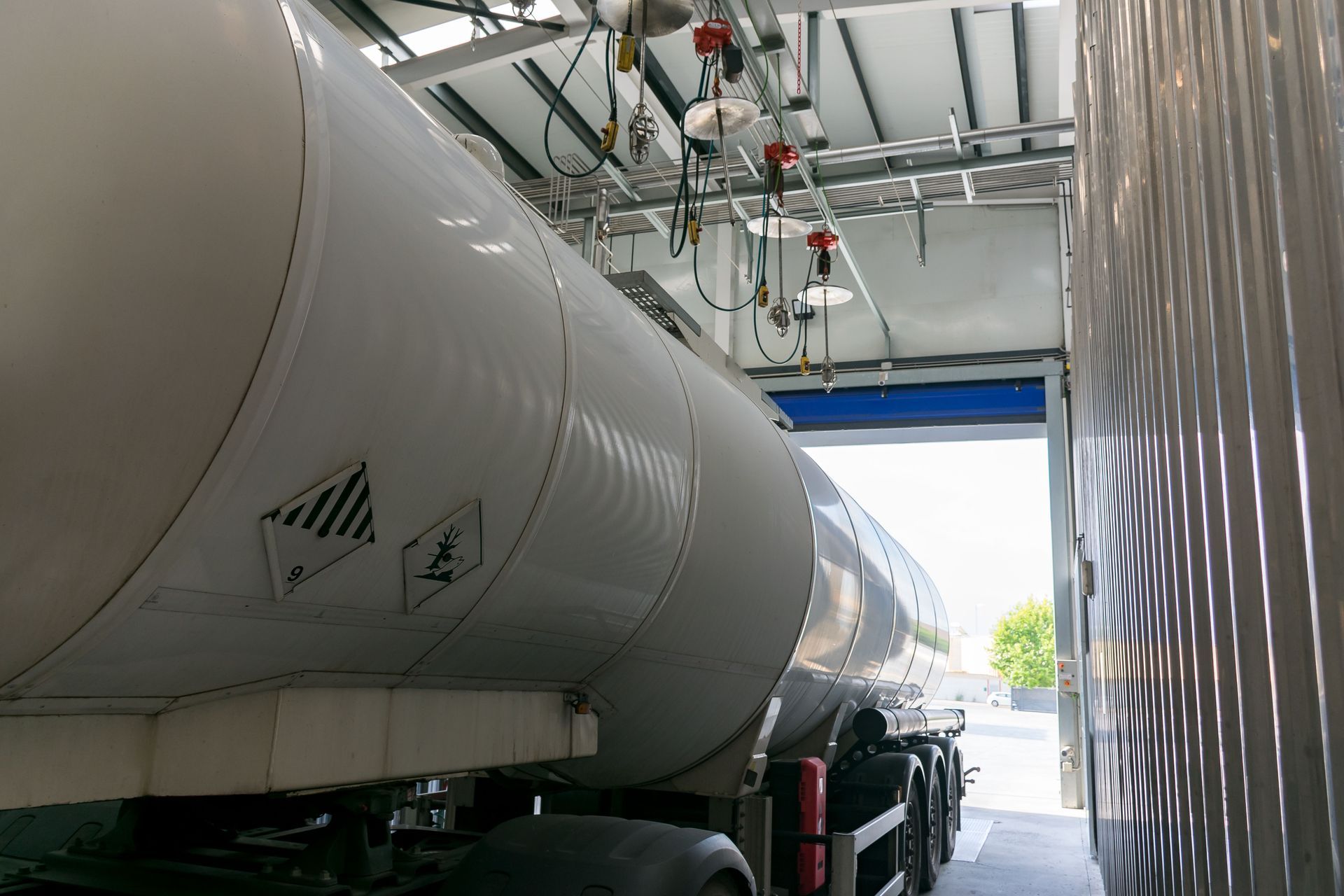
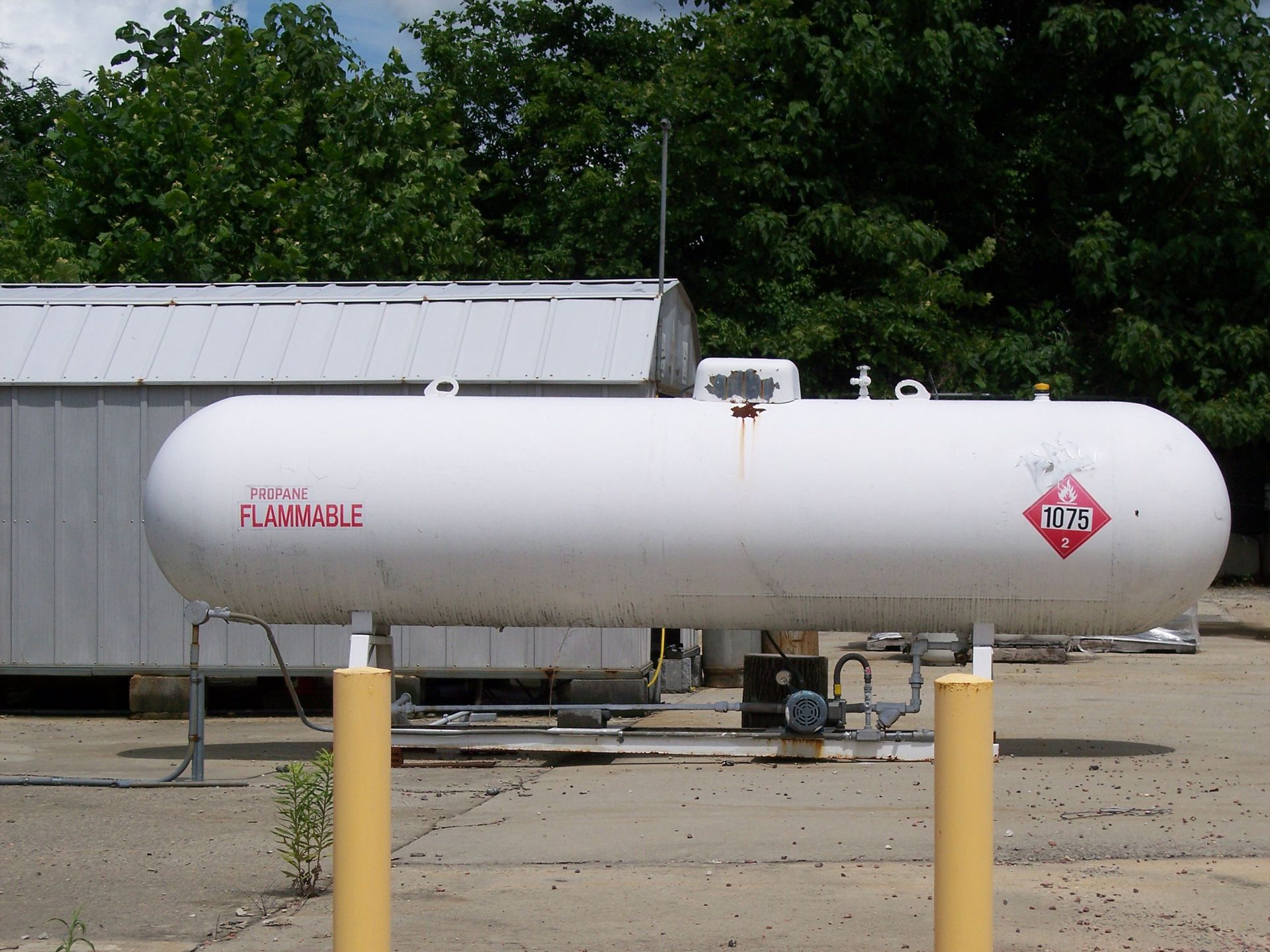
Propane tank delivery services are designed with convenience as a top priority. They allow consumers to schedule deliveries at their leisure, ensuring their energy needs are met without the hassle of travel. Delivery services are particularly beneficial in rural areas where exchange locations may not be easily accessible. Furthermore, scheduling flexibility helps meet diverse consumer demands, from businesses to individual households. Such flexibility is vital in adapting to different consumption patterns.
In recent years, technological advancements have further enhanced the convenience of propane delivery services. Many providers now offer online booking systems and mobile applications, making scheduling easier than ever. These digital platforms allow users to track their deliveries in real-time, thus increasing transparency and trust. The ability to manage propane needs at the touch of a button is an appealing prospect for tech-savvy consumers.
The home delivery aspect minimizes the consumer's effort and reduces the need to carry heavy tanks. For elderly or disabled individuals, this service is more than just convenient; it's crucial. Having professionals handle transportation ensures safety and practicality. Additionally, these services often include the removal of old tanks, further streamlining the process. A hassle-free experience is often a deciding factor for choosing delivery services over exchanges.
Safety and Maintenance
Safety is a paramount concern with propane tank delivery, given the potential risks associated with handling and storing propane. Service providers typically adhere to strict safety protocols and conduct thorough inspections during delivery. These inspections ensure tanks are in proper condition, minimizing the risk of leaks or malfunctions. Regular maintenance and monitoring contribute to safer household environments, offering consumers peace of mind. For these reasons, delivery services emphasize the importance of skilled personnel in managing propane safely.
Propane delivery providers frequently employ professionals trained in recognizing and addressing propane-related hazards. Trained technicians ensure compliance with all safety regulations and provide guidance on proper tank usage. Such oversight enhances consumer trust and contributes to consistent service quality. Moreover, ongoing education and certification for delivery personnel maintain high safety standards. The effective implementation of safety practices contributes to service reliability, an essential aspect for patient consumer bases.
Understanding the safety measures associated with delivery services is crucial for consumers choosing a service model. While exchanges may offer convenience, the comprehensive maintenance provided with delivery stands out as a significant advantage. Companies often have contingency plans and insurance coverage, effectively managing any potential mishaps. This proactive approach prevents accidents, reduces liability, and promotes a secure service environment. Ultimately, factoring in these safety procedures contributes to informed decision-making and optimal service outcomes.
Analyzing Propane Tank Exchange
Accessibility and Availability
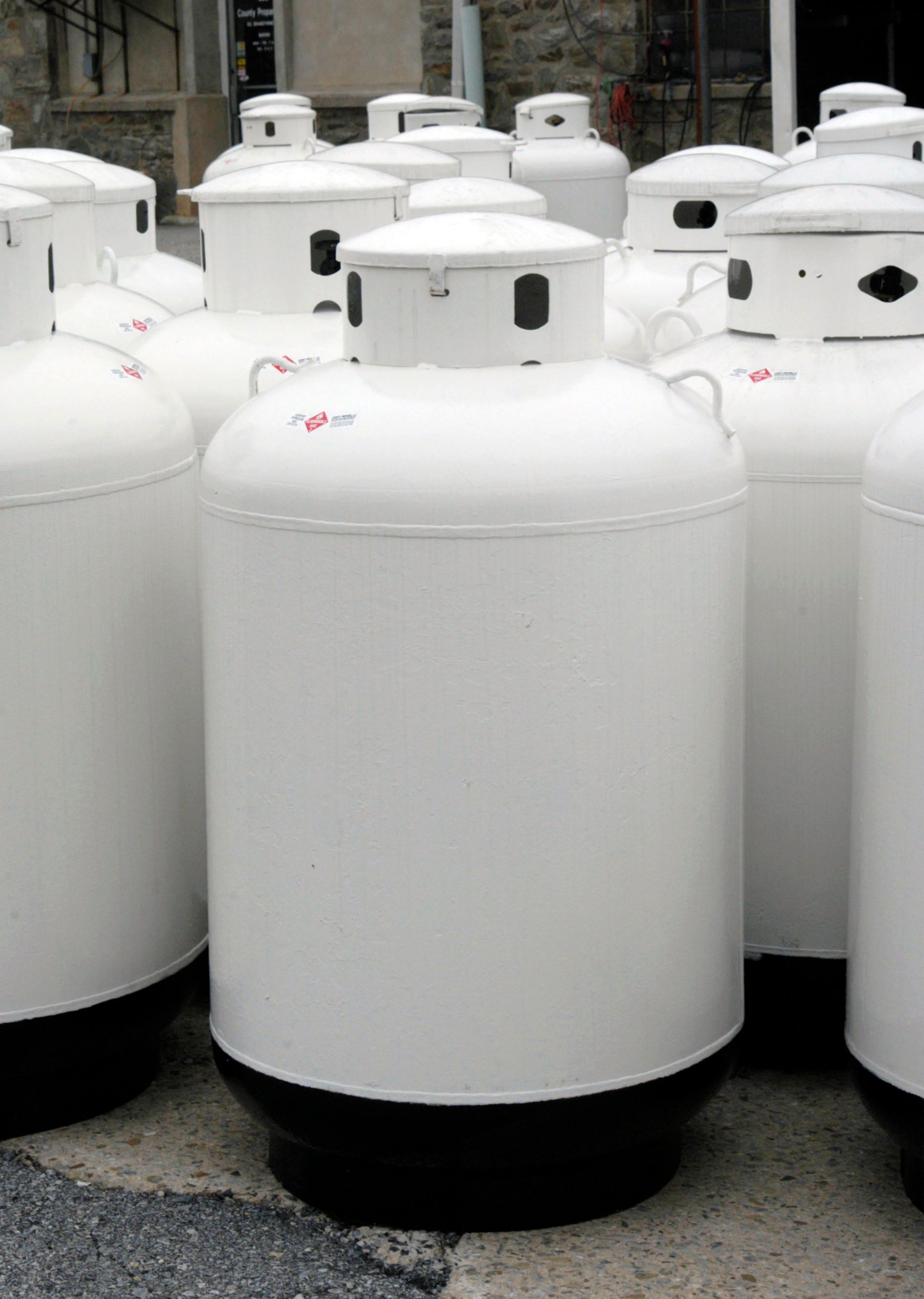
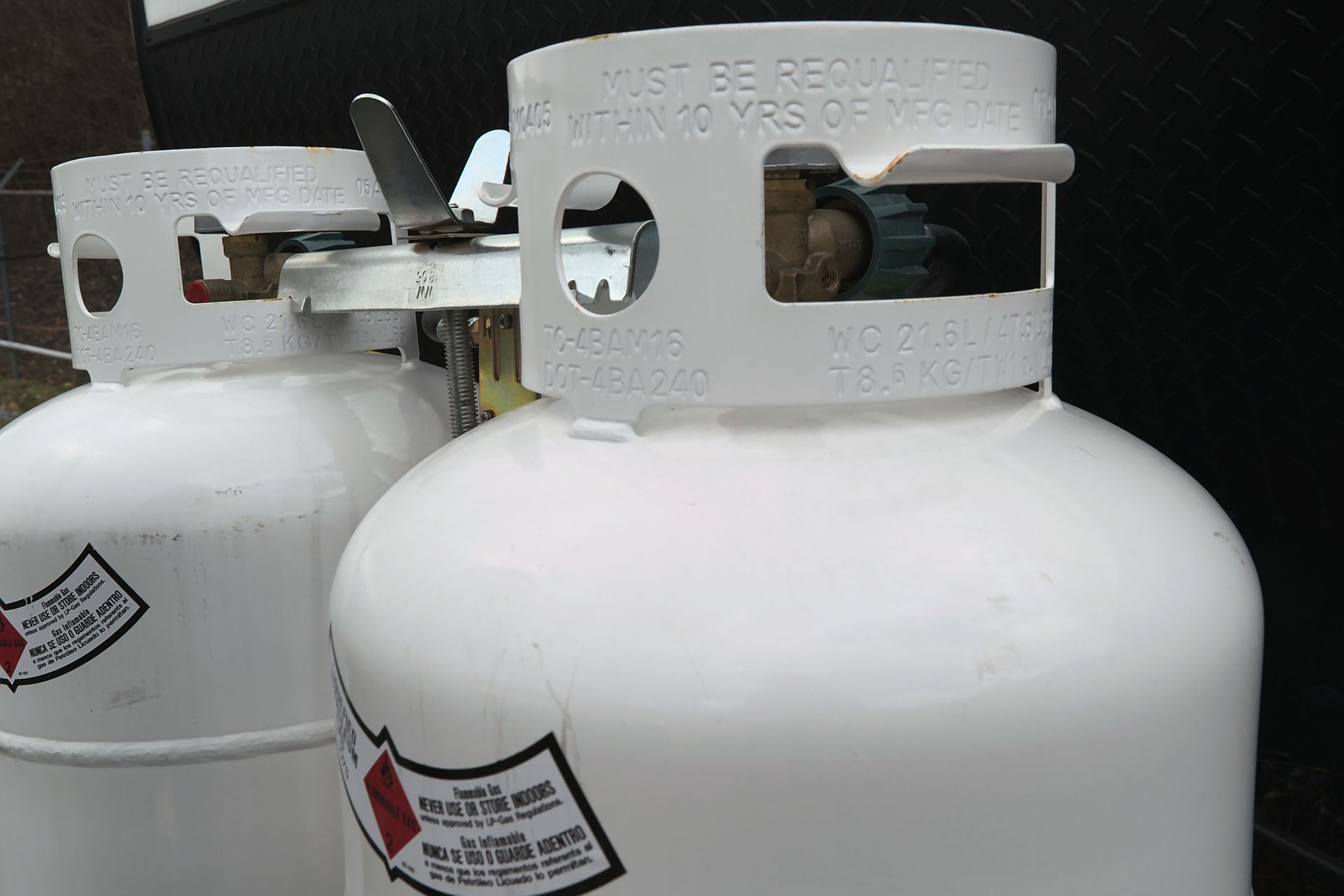
Propane tank exchange services offer notable convenience due to their widespread accessibility. Consumers can typically find exchange stations at local supermarkets, gas stations, and hardware stores, making them easy to access. This accessibility ensures that even in urban settings or remote areas, propane tanks are readily available for consumers. Exchanges are quick, allowing consumers to swap empty tanks for full ones, streamlining the procurement process. This availability helps serve large demographic areas with varied consumer needs.
However, availability can vary across different regions, impacting user convenience. Urban areas often have higher concentrations of exchange locations compared to rural counterparts. This geographic disparity may influence consumer options and preferences, with rural consumers potentially favoring delivery models. The proliferation of retail partnerships has contributed to the prevalence of exchange stations, enhancing coverage and reliability. This strategic expansion underscores the importance of accessibility as a competitive factor within the market.
Furthermore, the presence of exchange stations in everyday locations complements consumer habits. As consumers go about their daily routines, the ability to exchange propane tanks conveniently aligns with their need for efficiency. Locations integrated into consumers' daily activities encourage regular patronage and foster routine service use. In a fast-paced world, where time is an invaluable commodity, exchange services excel by providing location-based convenience. This factor remains a key driver of consumer choice within the propane industry landscape.
Inspection and Quality Assurance
Quality assurance forms an integral part of the propane tank exchange process, ensuring both consumer safety and service reliability. Providers conduct thorough inspections, verifying tanks' condition and compliance with safety standards. Before exchanging a tank, attendants check for issues such as leaks or damages. Adherence to these safety protocols reduces risks associated with propane handling. Consequently, exchanges offer consumers reassurance in knowing their energy sources are dependable and safe for use.
The inspections executed during exchanges emphasize consumer safety and differentiate reputable companies from their competitors. Transparent practices envisage greater consumer confidence in released products. Providers frequently invest in training programs to enhance staff competence, fortifying quality control measures. As tanks are recycled during exchanges, ensuring their fitness for repeated use remains a top priority. These quality assurances support reliable energy service, encouraging consumer loyalty and repeat patronage.
Additionally, consumer education around proper tank handling practices is vital to minimizing preventable risks. Many exchanges provide user guidelines, reinforcing the importance of adhering to recommended safety measures. Educated consumers can better recognize warning signs, further bolstering overall service safety. Providers that prioritize consumer education foster informed interactions, cultivating trust and transparency. This collaborative approach to safety and quality continues to resonate across the market, supporting a culture of conscientious energy consumption.
Weighing Cost and Budget Concerns
Overall Cost Comparison
For consumers considering propane services, comparing the relative costs of delivery and exchange models is crucial. Delivery services often involve subscription models and bulk discounts, whereas exchanges may offer more immediate affordability. Although exchanges might feature lower upfront costs, frequent users might benefit more from long-term delivery contracts. Delivery services typically mitigate logistical expenses such as travel, channeling added value into sustained user satisfaction. Weighing these cost attributes enables consumers to make financially efficient decisions.
Assessing relative costs involves an examination of recurring expenses versus one-time fees like transportation and delivery charges. Consumers must account for potential hidden fees associated with services, such as subscription commitments or premium scheduling. The financial flexibility of delivery services, manifested through discounts, further complements users with evolving energy needs. Recognizing pricing nuances, consumers may avoid unanticipated expenses by carefully assessing both immediate and longer-term implications. Informed choices optimize user balance between cost savings and service convenience, ensuring preferred results.
Propane's crucial role in households and industry necessitates financial strategic planning for ongoing use. The expected growth of the U.S. propane market highlights the value of budget planning within expanding demand environments. Consumers should measure cash flows carefully, taking into account market fluctuations and service trends. By evaluating pricing strategies holistically, consumers build cost-efficient long-term solutions. Empowered with financial transparency, users can engage meaningfully with service models, crafting budgets that accommodate both immediate situations and long-term futures.
Long-Term Financial Planning
For both residential and commercial users, long-term financial planning considers propane use and expenditure over extended periods. Individuals may analyze energy consumption patterns, examining the durability of service models under varying economic conditions. Communicating frequently with service providers about volume-based possibilities aides in optimizing budgets meaningfully, enhancing financial security and flexibility. Longer-term contracts support economic stability and fuel consistent provider relationships without significant expense. Through these considerations, consumers can facilitate superior service utilization as usage needs evolve.
Designed with contingency management in mind, long-term strategies might prove essential for negotiating volatile market shifts. Whether adjusting usage to comport with seasonal fluctuations or capitalizing on subscription discounts, consumers must navigate cost adaptations adeptly. Awareness of alternate expense structures and service options embodies responsible consumption within growing energy markets. On this note, according to Technavio, current projections predict an increase in the U.S. propane market by more than USD 9 billion from 2026-2030. With this backdrop, strategies involving cost-efficiencies serve as practical tools in promoting financial adaptability.
Proper planning is an empowering vehicle, achieving resourceful results across varying applicant types. Service diversification, incentivized through evolving provider models, facilitates greater service capacity and resilience. Whether designing contingency plans to buffer unexpected financial hurdles or investigating loyalty incentives, resource managers can leverage planning tools for the broadest application range. As consumption needs evolve, informed resource management enhances both individual satisfaction and service provider outcomes. If you're interested in learning more about the convenience of a
propane service, reach out to our team at Basin Propane LLC today!



Share On: