
Welcoming a new energy source into your home is both an exciting and rewarding experience. Much like bringing home a new pet, upgrading your home’s utility infrastructure comes with great responsibilities. It is vital to start the learning process early, ensuring your household remains comfortable and functional throughout the seasons. Mastering a few essential concepts about modern fuel can lay the foundation for a lifetime of efficiency and create a strong bond between you and your home’s heating systems.
Traditional energy options have served many generations well, but the evolution of residential technology has introduced a more streamlined approach to comfort. As homeowners look for ways to modernize their living spaces, the shift toward versatile, off-grid solutions has become increasingly popular. This specific fuel represents a significant departure from total reliance on the municipal grid, offering a sleek and dependable alternative that fits the lifestyle of the modern homeowner.
1. Understanding Domestic Usage Trends
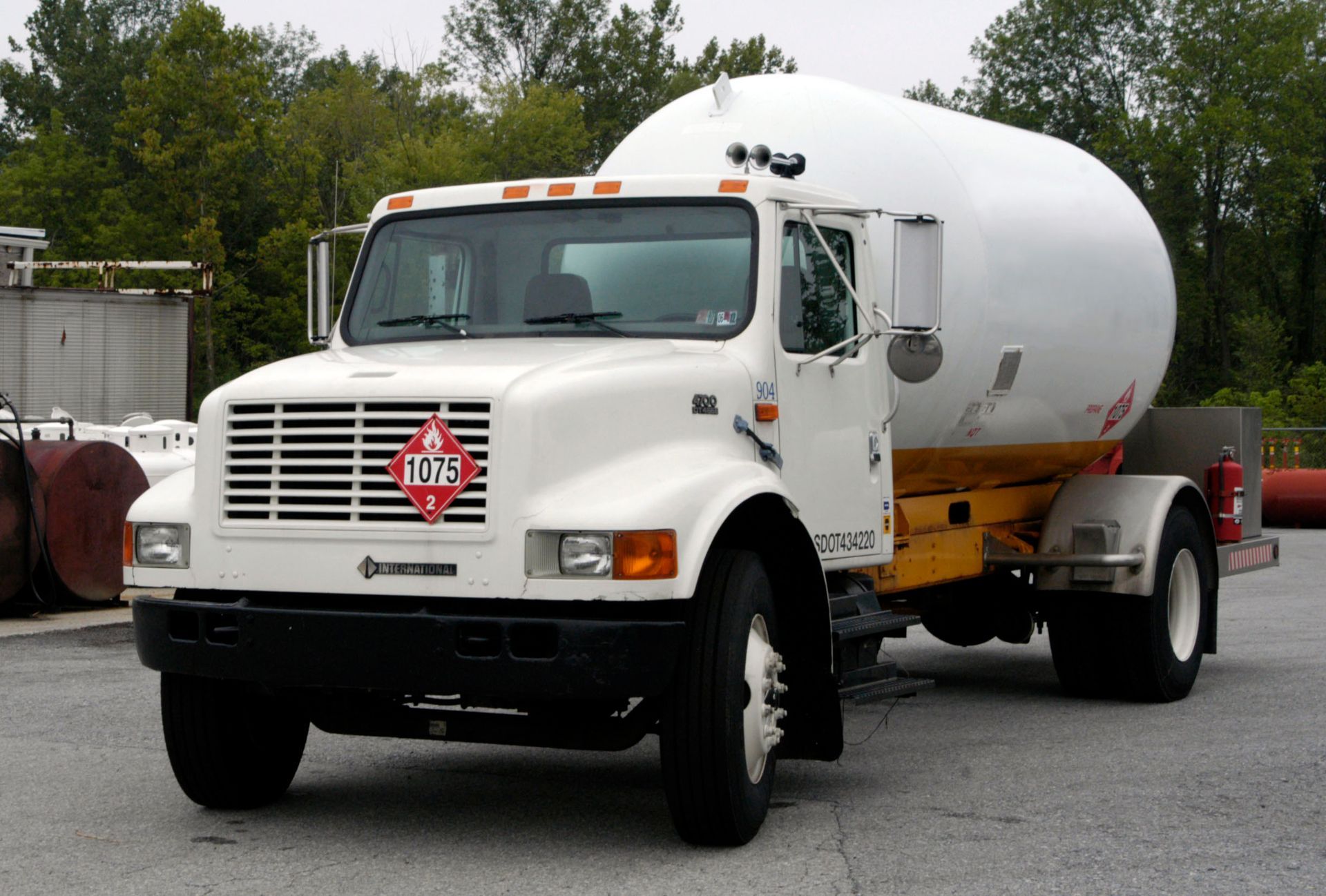
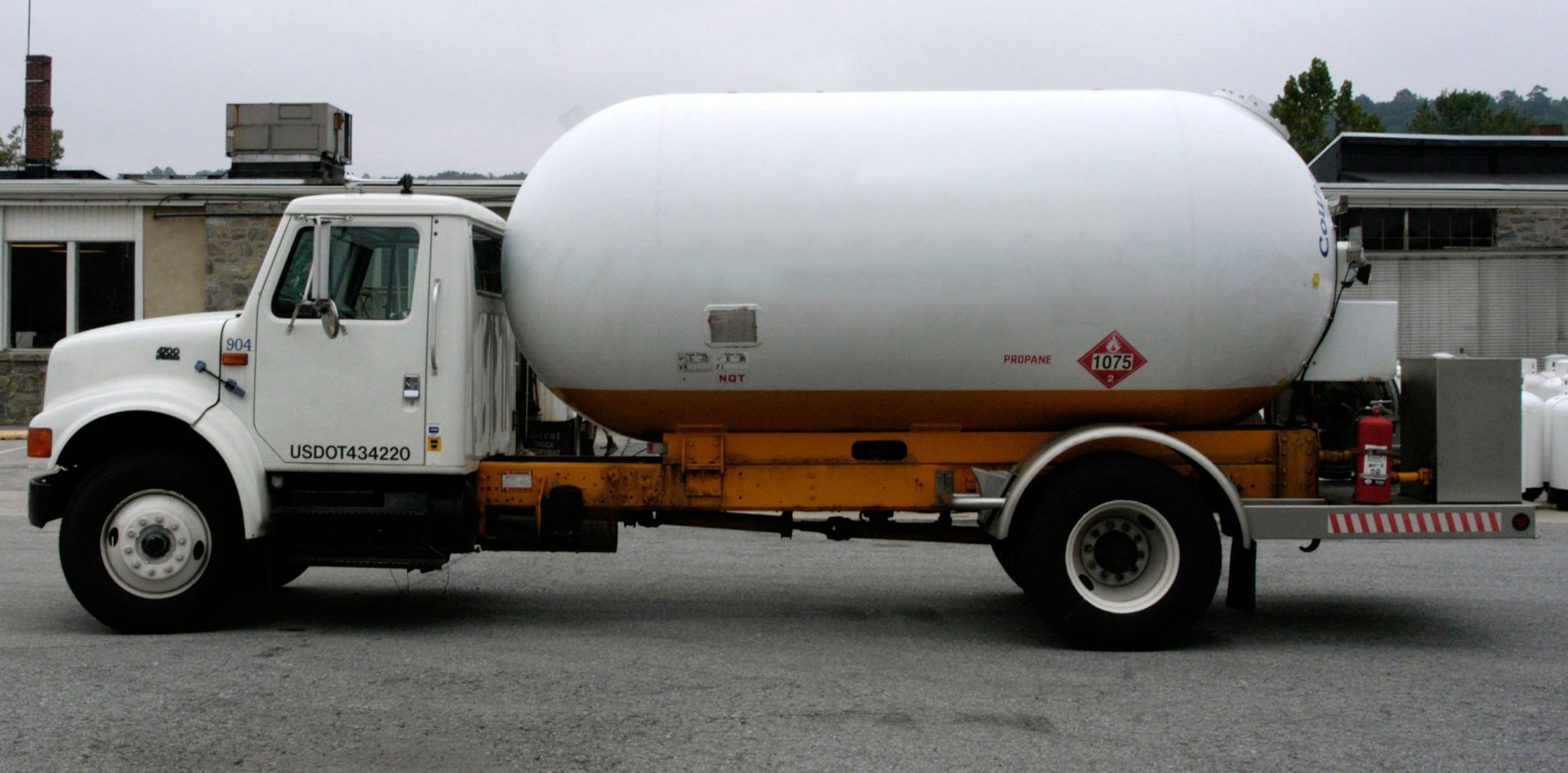
The landscape of residential heating has remained remarkably stable over the last decade, reflecting a consistent trust in traditional fuel sources. Many families across the country rely on specialized delivery services to keep their tanks full and their interiors warm. According to the National Council on Energy, as of January 2024, 4.9% of U.S. households use propane as their primary heating fuel ten years ago, just a tad more — 5% of U.S. households — used propane as their primary heating fuel.
This consistency highlights the reliability of propane as a cornerstone of American energy. While urban areas often lean toward electricity or natural gas, rural and suburban homeowners appreciate the independence that comes with on-site storage. This fuel source provides a steady performance that does not fluctuate with the local grid's stability. By maintaining a dedicated supply, households can ensure their daily routines remain uninterrupted even when external circumstances change.
2. Prioritizing Environmental Safety Standards
One of the most compelling aspects of this fuel is its status as a clean-burning energy source. It is nontoxic and nonpoisonous, meaning it does not contaminate the soil or water in the unlikely event of a leak. This characteristic makes it an ideal choice for environmentally conscious homeowners who live near sensitive ecosystems or rely on well water. Because it is stored as a liquid under pressure but vaporizes into a gas when released, it disappears into the atmosphere without leaving a messy residue behind.
The carbon footprint associated with propane is notably lower than that of many other fossil fuels. It produces significantly fewer greenhouse gas emissions than electricity generated from coal-heavy power plants. This makes it a preferred choice for those looking to build or renovate with sustainability in mind. By selecting an energy source that prioritizes low emissions, homeowners are making a choice that benefits both their personal living environment and the health of the planet for future generations.
3. Enhancing Residential Energy Versatility
Beyond just heating the air inside a home, this fuel is incredibly versatile in its applications. It can power a wide array of household appliances, from high-performance kitchen ranges and clothes dryers to cozy fireplaces and outdoor grills. This multi-purpose nature allows homeowners to streamline their energy needs into a single, efficient system. Many professional chefs prefer cooking with it because it provides instant heat and precise temperature control that electric stovetops simply cannot match.
In addition to indoor uses, propane is a favorite for outdoor living spaces. It can fuel patio heaters, pool heaters, and even specialized lighting fixtures. This versatility transforms a backyard into a year-round extension of the home, providing warmth and light whenever needed. By integrating this fuel into various aspects of residential life, families can enjoy a cohesive and high-performing utility setup that enhances their overall quality of life.
4. Maintaining Equipment Operational Longevity
When investing in home infrastructure, the durability of the appliances is a key consideration. Equipment designed to run on this fuel often boasts a longer operational lifespan than electric counterparts. For instance, furnaces powered by this gas typically last several years longer than electric heat pumps. This longevity is due to the clean-burning nature of the fuel, which results in less wear and tear on internal components and fewer deposits within the system.
A longer lifespan means fewer replacements over the decades, which reduces the total cost of ownership. While the initial acquisition of high-efficiency appliances might require an investment, the extended years of service provide a better return on value. Furthermore, the maintenance requirements are often straightforward, involving regular inspections to ensure that valves and lines remain in peak condition. This reliability is a hallmark of a well-managed home, ensuring that the infrastructure meets the demands of its inhabitants.
5. Securing Reliable Backup Power
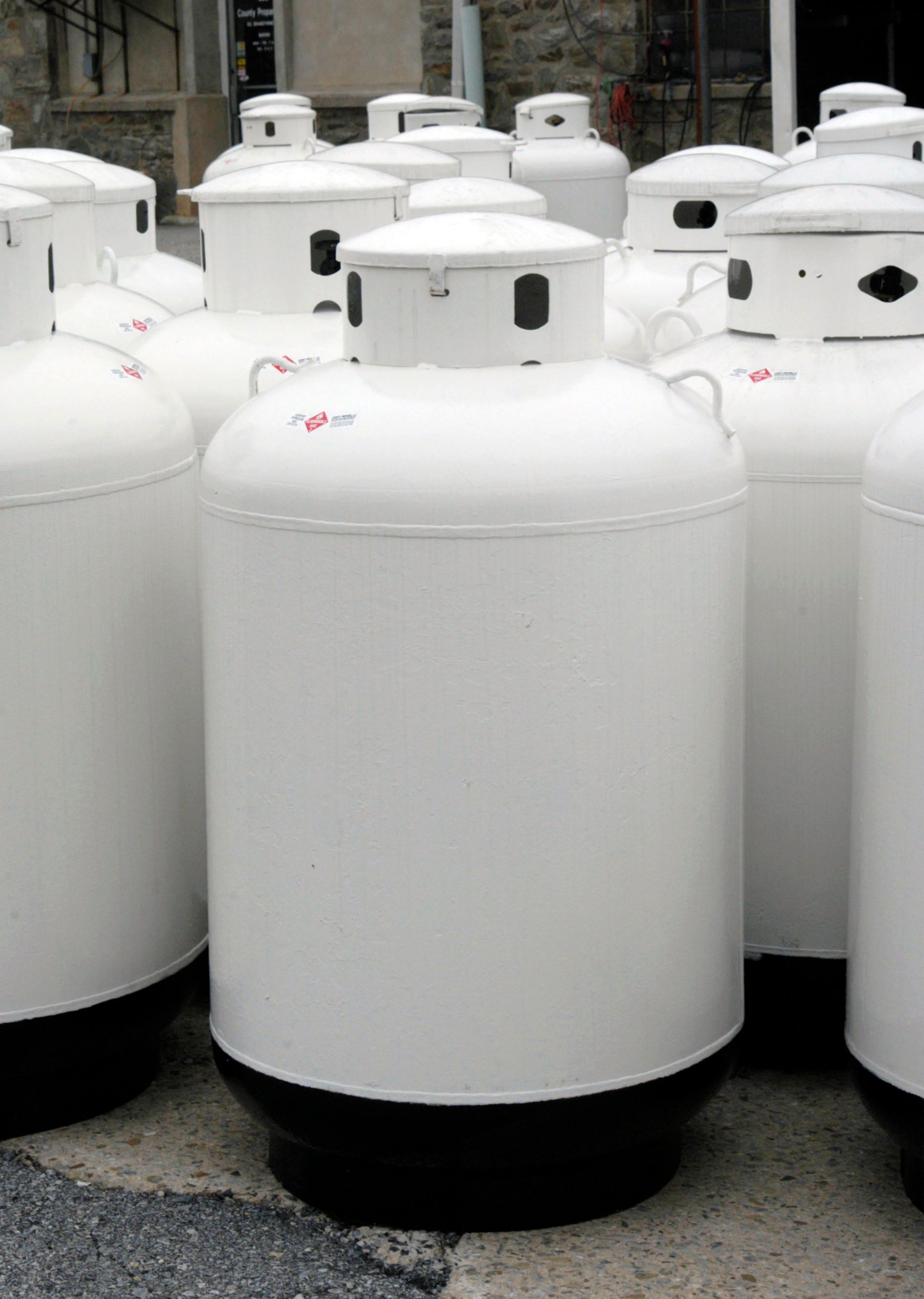
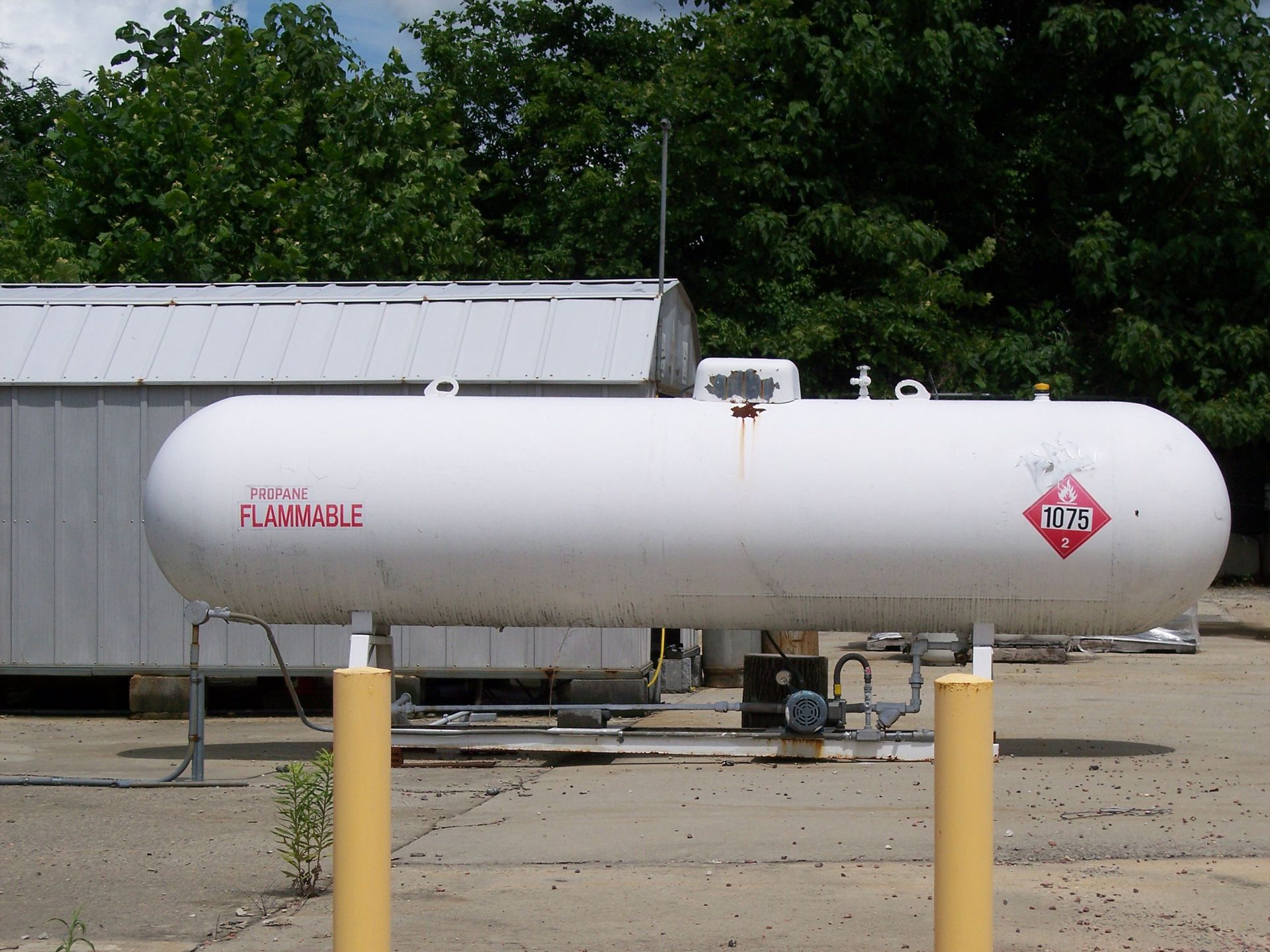
In an era where extreme weather events can lead to prolonged power outages, having a dependable backup plan is essential for safety and comfort. This fuel is the primary choice for powering standby generators that activate automatically when the grid fails. Because the fuel is stored in a large tank on the property, it does not degrade over time like gasoline or diesel. This ensures that the generator is ready to perform at a moment’s notice, regardless of how long the fuel has been sitting.
Having a generator fueled by propane allows a household to maintain critical functions, such as refrigeration, lighting, and medical equipment, during an emergency. This peace of mind is invaluable, especially for families with young children or elderly residents who are more vulnerable to temperature extremes. This layer of protection offers security, knowing that the home's vital systems will continue to operate even when the rest of the neighborhood is in the dark.
6. Optimizing Cost Efficiency Strategies
While market prices for all energy sources fluctuate, this fuel often provides a more cost-effective solution for heating large spaces. It burns hotter and more efficiently than many other options, meaning it takes less fuel to reach and maintain a desired temperature. Many providers offer "budget billing" or "pre-buy" programs that allow homeowners to lock in lower rates during the warmer months, protecting them from price spikes when the demand for propane increases during the winter.
Choosing this fuel is also a smart move for those looking to increase their property value. Modern buyers often look for homes with efficient, reliable, and versatile energy systems. A well-maintained tank and a suite of high-performance appliances can be a significant selling point. By managing energy costs through strategic fuel choices, homeowners can keep more of their hard-earned money while enjoying a superior level of comfort and convenience in their daily lives.
Educating yourself about your home's energy involves more than just paying a monthly bill; it’s about nurturing a well-mannered and efficient living environment. Moving toward the use of propane can lead to a lifetime of joy, safety, and fond memories of warmth. Whether you are motivated by the desire for environmental sustainability, the need for a versatile fuel for your kitchen, or the goal of providing a secure backup for your family, the facts are clear.
Ready to experience the ultimate in home energy? If you are tired of being tethered to an unreliable grid or want a more versatile fuel for your household, it is time to make the switch. Contact Basin Propane today to discuss how we can help you select the right tank size and delivery schedule for your unique needs.


Share On: